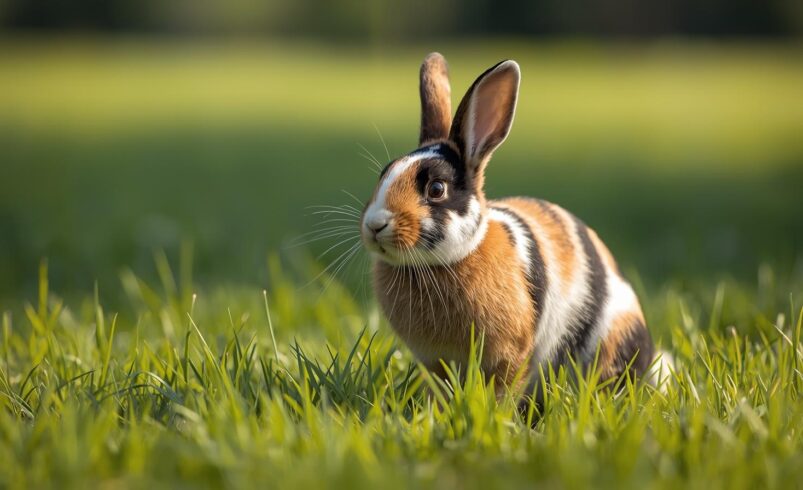
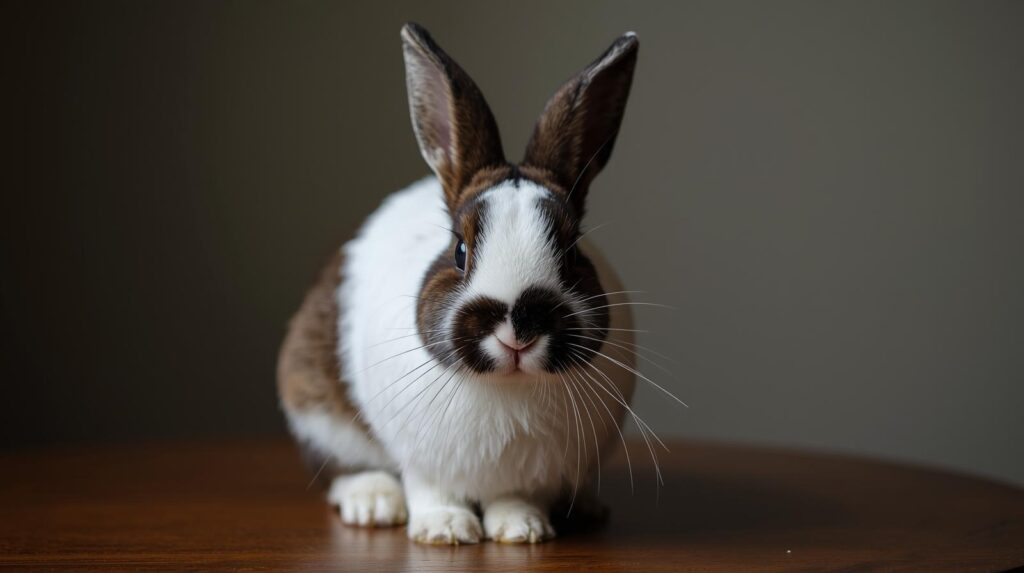
The harlequin rabbit stands out in any crowd with its mesmerizing two-toned coat pattern that resembles a medieval court jester’s costume. When I first encountered one at a local pet show three years ago, I was immediately captivated by its striking appearance one side of its face was bright orange, the other jet black, creating a perfectly symmetrical split that seemed almost too artistic to be natural.
These charming harlequin rabbits aren’t just about looks. They’re friendly, intelligent, and surprisingly easy to care for, making them excellent companions for both first-time rabbit owners and experienced enthusiasts. With approximately 2.2 million pet rabbits living in American homes today, this breed represents a unique and relatively rare variety that continues to fascinate Animals lovers worldwide.
What Makes the Harlequin Breed Special?
The harlequin rabbit earned its nickname “the clown of rabbits” because of distinctive markings that mirror the two-toned outfits worn by medieval court jesters. This French breed originated in the late 1800s and was first exhibited at an international event in Paris in 1887. Unlike most breeds that are defined by body type or fur texture, harlequins are entirely based on their unique color patterns and markings.
Originally called the “Japanese rabbit” due to its coloring, the breed’s name changed during World War II to better reflect its jester-like appearance. The harlequin rabbit quickly gained popularity in England as show animals and eventually made their way to the United States during the 1920s, where they sold for approximately $40 each the equivalent of nearly $900 today.
Understanding Color Varieties
Japanese Harlequin: The Original Color Pattern
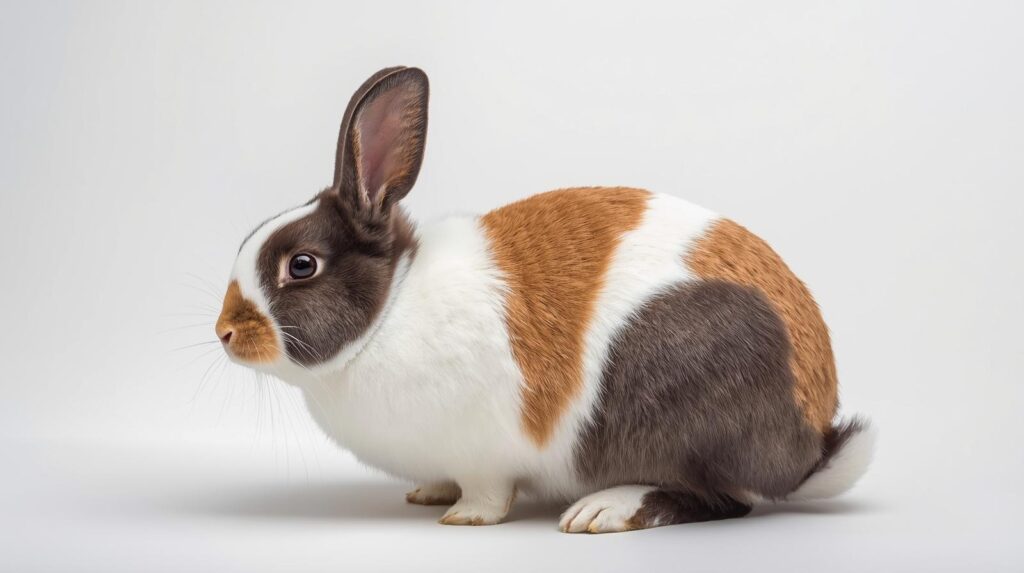
The Japanese variety features bright orange paired with either black, blue, chocolate, or lilac coloring. Breeders prize specimens with vibrant, saturated orange tones that create maximum contrast against the secondary color. According to breeding standards, any white spots appearing on Japanese varieties are considered a disqualification in show competitions.
Magpie Harlequin: The White Alternative
Magpie varieties replace the orange coloration with pure white, creating a striking monochrome appearance. These bunnies display white paired with black, blue, chocolate, or lilac. Since the base color is already white, any additional white spotting blends seamlessly and doesn’t disqualify the animal from competition, unlike their Japanese counterparts.
| Variety | Primary Color | Secondary Colors | Show Disqualifications |
|---|---|---|---|
| Japanese Harlequin | Orange | Black, Blue, Chocolate, Lilac | White spots, white nails |
| Magpie Harlequin | White | Black, Blue, Chocolate, Lilac | Lack of defined face split |
Physical Characteristics of Harlequin Rabbits
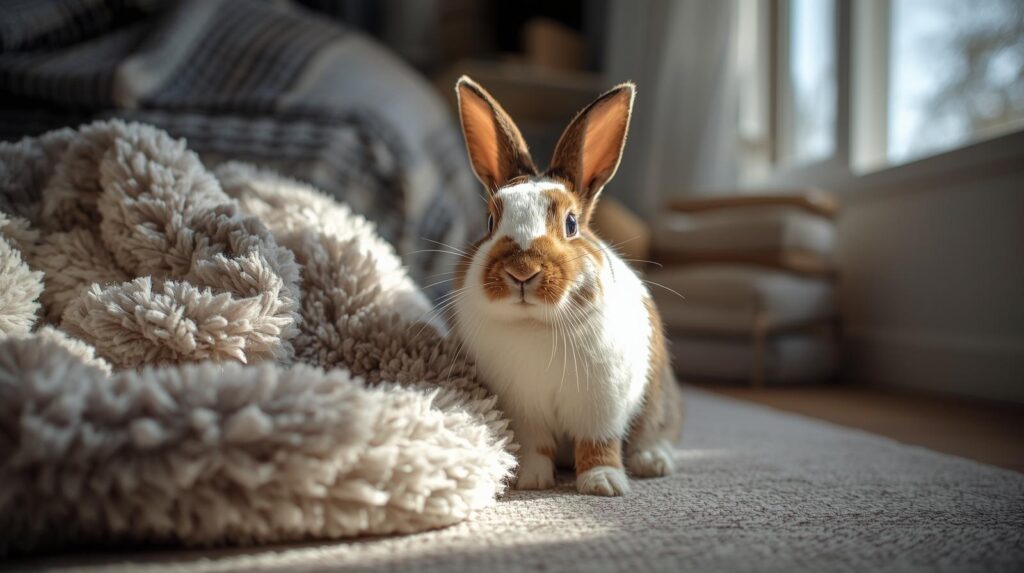
Harlequin rabbits are classified as medium-to-large breeds with a commercial body type. Adults typically weigh between 6.5 to 9.5 pounds, with female does generally weighing slightly more than male bucks. Specifically, bucks weigh 6.5-9 pounds, while does reach 7-9.5 pounds.
These bunnies possess well-rounded, muscular bodies with broad heads and medium-length erect ears that give them an alert, lively appearance. Their fur is short, soft, and exceptionally dense, requiring minimal grooming compared to longer-haired breeds. The American Rabbit Breeders Association recognizes this breed and maintains specific standards for show-quality specimens.
The Perfect Pattern: Show Standards Explained
For show purposes, the American Rabbit Breeders Association’s Standard of Perfection calls for a three-part frontal alternation. This means:
- Ears: Must be two different colors
- Face: Should split evenly down the center with colors alternating from the ears
- Chest and Front Legs: Must split into two colors that alternate with the face and match the ear colors
- Hind Legs: Should alternate colors with the front legs
- Body: Features either bands (unbroken circles of color) or bars (half-circles running vertically down the sides)
The ideal specimen appears as though a perfect stripe separates the two colors throughout its entire body, creating a symmetrical, jester-like appearance.
Personality & Temperament
One aspect that pleasantly surprised me about the harlequin rabbit was its exceptionally social nature. Harlequin rabbits are known for being curious, outgoing, and affectionate traits that make them wonderful family pets. Unlike some smaller breeds that tend to be skittish, they are calm and gentle, making them particularly suitable for households with children who understand proper handling techniques.
These rabbits demonstrate remarkable intelligence. Many owners successfully train their pets to respond to their names and use litter boxes. Some even learn tricks or enjoy playing games like fetch. Their playful disposition means they thrive on interaction and attention, requiring daily supervised playtime outside their enclosure.
Lifespan & Health Considerations
Harlequin rabbits typically live 5 to 8 years, though many can reach 10 years or more with excellent care. While their lifespan is slightly below the average range for some rabbit breeds, they can still offer many years of affectionate companionship.
Like all rabbits, Harlequins can experience certain health concerns:
Dental Problems: Their teeth grow continuously about 3–4 inches per year so a high-fiber diet and plenty of safe chew toys are essential to prevent overgrowth.
GI Stasis: This potentially serious digestive slowdown may occur due to stress, poor diet, or hair ingestion, especially during seasonal shedding in spring and fall.
Obesity: Maintaining proper portion control and encouraging daily exercise help prevent weight-related health issues.
Overall, Harlequin rabbits are considered a healthy breed and aren’t prone to any unique genetic disorders. Regular veterinary checkups, a balanced diet, and proper grooming go a long way in ensuring they stay healthy throughout their lives.
Diet & Nutrition Requirements
Proper nutrition forms the foundation of health. Your bunny’s diet should consist primarily of:
- Unlimited Timothy Hay: Should comprise at least 80% of their diet and be available at all times
- High-Quality Pellets: Feed approximately 1/4 cup daily per 6 pounds of body weight
- Fresh Vegetables: Offer 2-3 cups of dark, leafy greens daily
- Fresh Water: Must be available 24/7 in a heavy bowl or bottle
Hay serves multiple critical functions it aids digestion, prevents GI stasis, and naturally wears down constantly growing teeth. Popular vegetable choices include romaine lettuce, cilantro, parsley, and dandelion greens. Limit sugary treats like carrots and fruits to small portions once or twice weekly.
Housing & Living Environment for Harlequin Rabbits
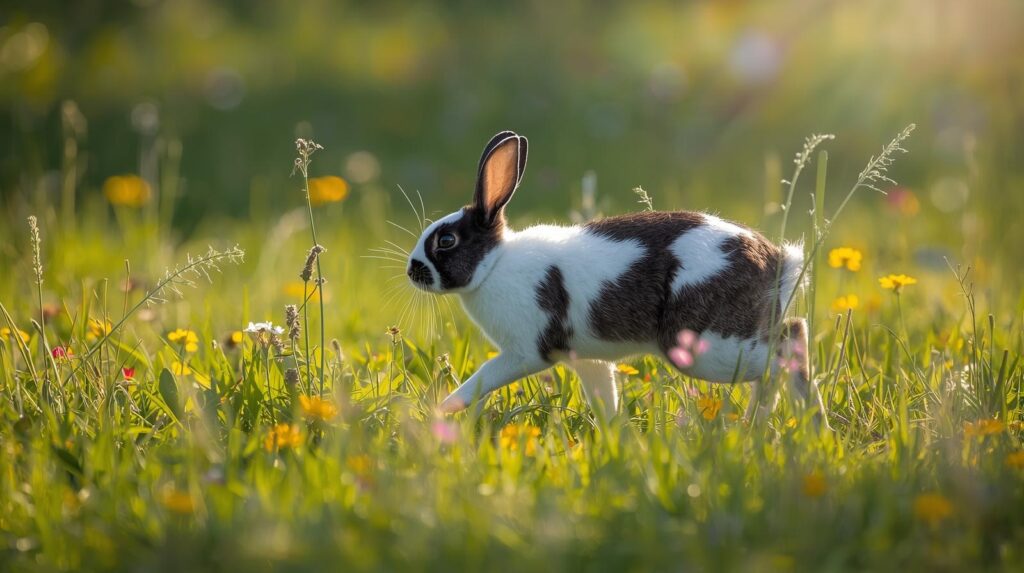
Harlequin rabbits adapt well to both indoor and outdoor living, though indoor housing typically results in healthier, longer-lived pets with less exposure to parasites, predators, and extreme weather. Whether you choose indoor or outdoor accommodation, ensure your bunny has adequate space to move comfortably.
Minimum Housing Requirements
- Cage Size: At least 4-6 times the rabbit’s stretched-out length
- Exercise Time: Minimum 3-4 hours daily in a rabbit-proofed area
- Temperature: Bring rabbits indoors when temperatures exceed 80°F or drop below freezing
- Bedding: Use absorbent, safe materials like paper-based bedding or timothy hay
Indoor rabbits often form stronger bonds with their families and integrate more seamlessly into household routines. Many owners find that litter training enables their pets to safely explore the home during supervised playtime.
Grooming & Maintenance
One major advantage of the harlequin rabbit is its minimal grooming requirements. Their short, dense coat needs brushing only once or twice weekly under normal circumstances. During the spring and fall shedding seasons, increase brushing frequency to 3-4 times weekly to prevent hairball formation.
Additional grooming tasks include:
- Nail Trimming: Every 4-6 weeks
- Ear Checks: Weekly inspection for debris or infection signs
- Dental Monitoring: Regular observation of eating habits and tooth alignment
The straightforward grooming routine makes the harlequin rabbit an excellent choice for busy families or individuals seeking a lower-maintenance pet.
Breeding & Availability
Harlequin rabbits can be more expensive than common breeds due to the difficulty of producing show-quality markings. Breeding perfect coloration patterns proves challenging, making truly exceptional specimens relatively rare. Average litter sizes range from 5-6 kits.
According to the American Veterinary Medical Association’s 2025 data, approximately 0.7% of U.S. households (about 900,000 homes) own rabbits. Within this population, the harlequin rabbit represents a small but dedicated niche. The American Harlequin Rabbit Club works to maintain breed standards and promote responsible breeding practices.
When purchasing one, expect to pay premium prices for show-quality animals with perfect markings. Pet-quality specimens with imperfect patterns cost significantly less but make equally wonderful companions.
Training & Socialization
The intelligent nature of these bunnies makes training both enjoyable and rewarding. Most owners successfully teach their pets basic skills within weeks:
- Litter Training: Start with one litter box in a corner where your bunny naturally eliminates
- Name Recognition: Use consistent verbal cues paired with treats
- Basic Commands: “Come,” “up,” and “down” are readily learned
- Trick Training: Many enjoy learning to give high-fives, spin, or navigate obstacle courses
Positive reinforcement works best with rabbits. Never punish your pet, as this damages trust and can lead to behavioral issues. Instead, reward desired behaviors with small treats or verbal praise.
Why Choose a Harlequin Rabbit?
After researching and interacting with various breeds, I believe the harlequin rabbit offers a unique combination of visual appeal and practical pet qualities. Their stunning appearance makes them conversation starters, while their friendly, easygoing temperament makes them genuine companions rather than just display animals.
This breed suits various living situations:
- First-Time Owners: Minimal grooming and friendly nature ease the learning curve
- Families: Gentle temperament works well with supervised children
- Apartment Dwellers: Moderate size and adaptability fit smaller spaces
- Show Enthusiasts: Unique markings create competitive opportunities
For anyone considering adding a bunny to their household, the harlequin rabbit deserves serious consideration. Their combination of beauty, personality, and manageable care requirements creates an appealing package for Ninty2Magazine readers seeking detailed pet information.
Conclusion: Is This Breed Right for You?
The harlequin rabbit brings together striking visual appeal, friendly personality, and reasonable care requirements in one fascinating package. Whether you’re drawn to their jester-like markings, their social nature, or their suitability as family pets, these bunnies offer something special.
With proper nutrition consisting primarily of hay, adequate space for exercise, and regular veterinary care, your pet can thrive for 8-10 years or longer. Their intelligence makes them trainable, their temperament makes them lovable, and their unique coloring makes them unforgettable.
Frequently Asked Questions
Q: Are harlequin rabbits good pets for beginners?
Yes, they make excellent pets for first-time owners. Their friendly temperament, minimal grooming needs, and relatively calm nature make them easier to care for compared to more high-strung breeds. However, all rabbits require daily attention, proper diet, and adequate exercise space.
Q: How much does a harlequin rabbit cost?
Pet-quality Harlequin rabbits usually cost around $30–$50, while show-quality rabbits with ideal markings can range from $100–$300+. In addition to the rabbit itself, you should also consider setup expenses such as housing ($100–$200), an initial veterinary checkup ($50–$100), and ongoing monthly costs of about $50 for food, hay, and other supplies.
Q: Can harlequin rabbits live alone or do they need companions?
These bunnies are social animals that benefit from companionship, though they can live happily as single pets with sufficient human interaction. If considering a pair, choose same-sex rabbits or spayed/neutered pairs to prevent breeding. Proper introductions are essential for bonding success.
Q: What’s the difference between Japanese and Magpie harlequin rabbits besides color?
The primary difference lies in coloring Japanese varieties feature orange with black, blue, chocolate, or lilac, while Magpies display white with those same secondary colors. Show standards differ slightly, as white spots disqualify Japanese varieties but blend into Magpie patterns naturally.
Q: Do harlequin rabbits get along with other household pets?
With proper introductions and supervision, they can coexist with cat-friendly or rabbit-experienced dogs. Always supervise interactions, provide escape routes for your bunny, and never leave predator species unsupervised with rabbits. Some cats and dogs never safely interact with rabbits, so assess your specific animals’ temperaments carefully.
Looking for more information about unique rabbit breeds and expert pet care advice? What specific aspects of ownership interest you most?