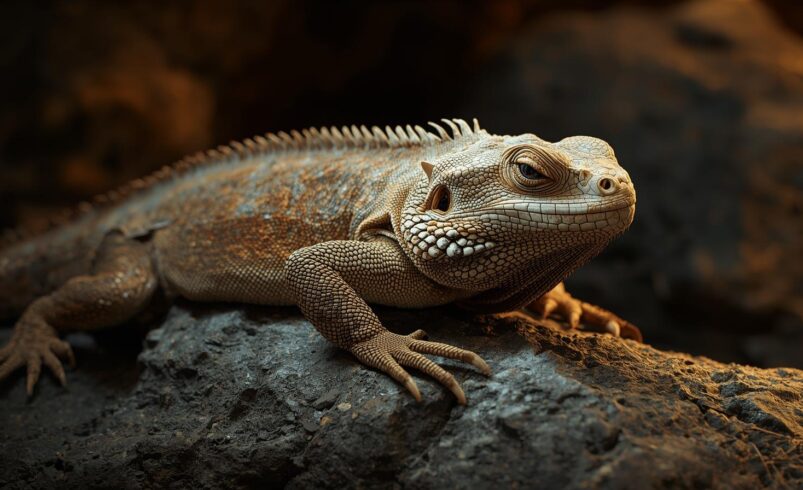
When I first brought home my bearded dragon, the pet store employee told me I was signing up for “at least a decade of companionship.” That moment made me realize these scaly friends aren’t just temporary pets they’re long-term family members. Understanding bearded dragon lifespan is crucial for anyone considering these remarkable reptiles as pets.
Understanding the Bearded Dragon Lifespan
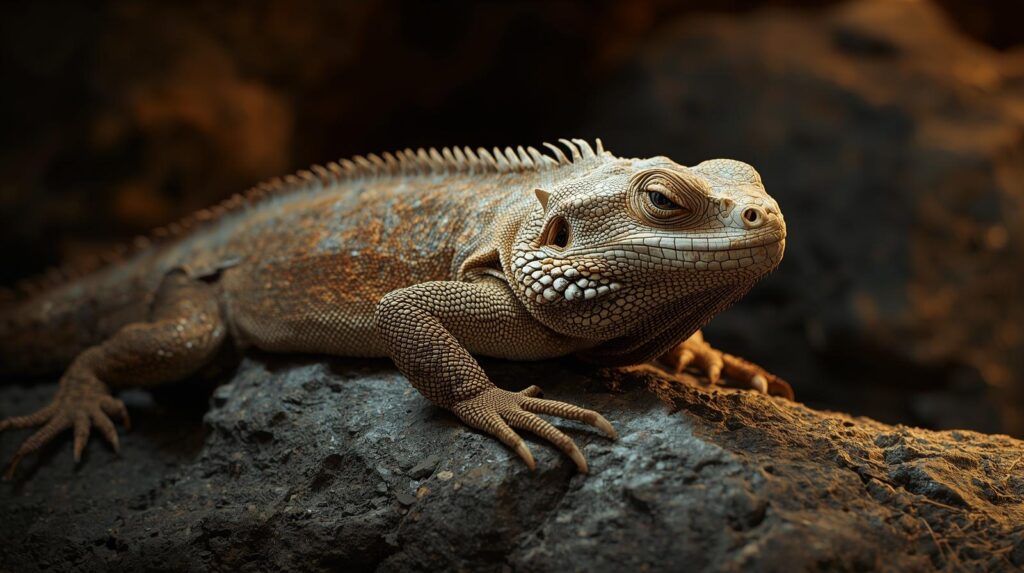
The bearded dragon life typically ranges from 8 to 15 years in captivity, though some individuals have reached 18 years with exceptional care. Sebastian, a bearded dragon from the United Kingdom, holds the Guinness World Record for longevity at 18 years and 237 days, proving that proper care can significantly extend your pet’s life.
The question “how long do bearded dragons live?” doesn’t have a simple answer because multiple factors influence their longevity. In the wild, bearded dragon life is considerably shorter, averaging just 3 to 8 years, primarily due to predation, harsh environmental conditions, and inconsistent access to food and water.
Wild vs Captive Bearded Dragon Lifespan
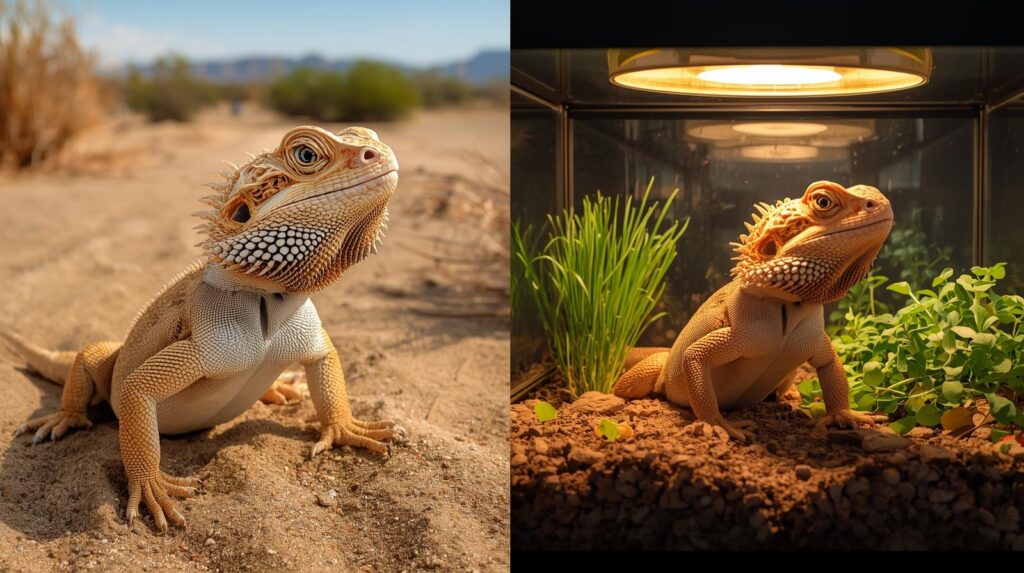
The difference between wild and captive bearded dragon lifespan is striking. Wild bearded dragons typically live 4 to 10 years, while properly cared-for pet bearded dragons enjoy lifespans of 7 to 15 years. This dramatic difference reflects the safety, consistent nutrition, and veterinary care available in captivity.
| Environment | Average Lifespan | Maximum Recorded Lifespan | Primary Threats |
|---|---|---|---|
| Wild | 3–8 years | ~10 years | Predators, food scarcity, harsh climate |
| Captivity | 8–15 years | 18+ years | Poor husbandry, inadequate diet, lack of veterinary care |
Critical Factors Affecting Bearded Dragon Life
Nutrition and Diet Quality
Bearded dragon lifespan heavily depends on proper nutrition, with juveniles requiring approximately 75% insects and 25% plant matter, while adults need the inverse ratio. I learned this the hard way when my beardie started showing signs of metabolic bone disease a wake-up call that proper calcium supplementation and gut-loaded insects aren’t optional.
Metabolic bone disease and kidney diseases are extremely common in bearded dragons with improper care, often stemming from incorrect ultraviolet light exposure and insufficient calcium supplementation.
Habitat and Environmental Conditions
Adult bearded dragons need spacious enclosures of at least 75 gallons, complete with proper temperature gradients and UVB lighting, to help maximize their lifespan. Larger dragons often live longer because they are more resilient and better equipped to adapt to environmental changes.
Maintaining proper temperature is essential for their longevity. The basking area should stay around 100°F, while cooler zones allow for thermoregulation. Without this temperature gradient, bearded dragons may struggle to digest food properly, leading to serious health issues.
Veterinary Care and Health Management
Unfortunately, 75% of pet reptiles in the UK die within their first year due to inadequate care, a sobering statistic that highlights the importance of proper husbandry. Regular veterinary check-ups can catch issues early, dramatically improving bearded dragon life prospects.
Female bearded dragons frequently experience reproductive complications from husbandry problems, including retained follicles that may rupture internally. This makes gender-specific care knowledge essential for maximizing bearded dragon life.
Life Stages and Bearded Dragon Lifespan
Hatchling to Juvenile Phase
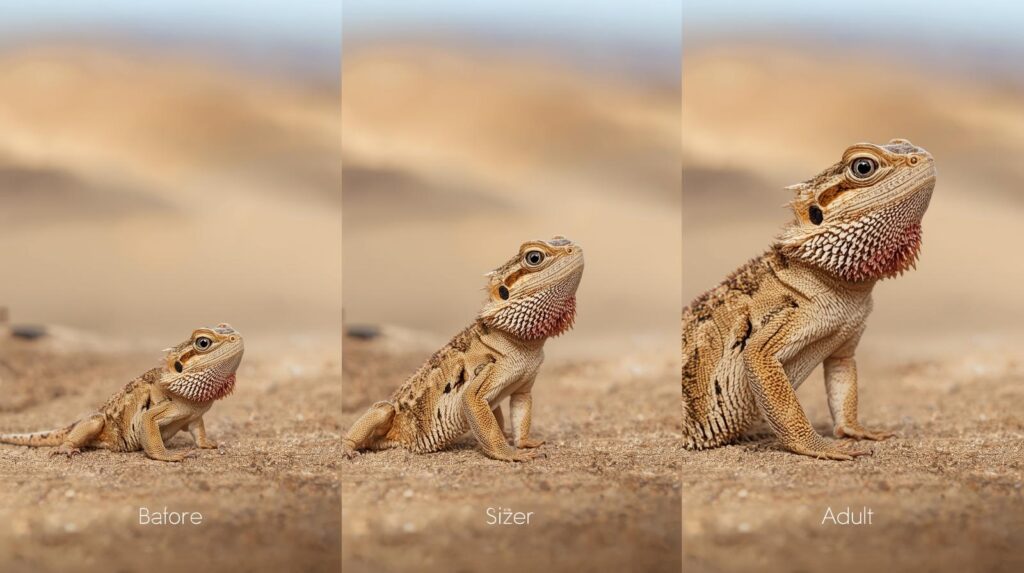
Newborn bearded dragons hatch at approximately three inches and grow roughly two inches monthly during their rapid development phase. This critical period sets the foundation for long-term bearded dragon lifespan. Young bearded dragons require significantly more protein intake than adults, necessitating frequent insect feedings.
Adult and Senior Years
Bearded dragons reach maturity at 8 to 9 inches, typically around one year old, when dietary needs shift toward more vegetables and plant matter. As these reptiles enter their senior years typically after 8-10 years activity levels decrease and special considerations become necessary for maintaining bearded dragon lifespan.
Extending Your Bearded Dragon Lifespan
Essential Husbandry Practices
Based on my years caring for these reptiles (which rank as the most popular pet reptile globally, with 40% preference in the United States), I’ve learned that consistency matters more than perfection. Here’s what makes the difference:
Lighting Requirements: Bearded dragons need 10 to 12 hours of daily light exposure, whether from natural sunlight or specialized UV bulbs. Mercury vapor bulbs provide both heat and UV radiation, simplifying setup while supporting bearded dragon lifespan.
Proper Substrate: Avoid loose substrates that can cause impaction. I switched to reptile carpet after my beardie ingested sand a mistake that could have shortened his bearded dragon lifespan significantly.
Hydration: Inadequate bathing can cause dehydration and shedding difficulties, with constricted sheds potentially causing loss of toes or tail. Regular baths aren’t just for cleanliness they’re essential for long bearded dragon lifespan.
Common Health Issues That Reduce Bearded Dragon Lifespan
Metabolic bone disease, periodontal disease, and obesity are among the most common conditions affecting bearded dragon lifespan. Early intervention through regular veterinary visits can prevent these issues from becoming life-threatening.
Overcrowding causes stress, injuries, and trauma between bearded dragons, potentially leading to wounds and lost limbs. This social factor significantly impacts bearded dragon, especially when housing multiple individuals.
Genetics and Breeding Impact on Bearded Dragon Lifespan
Inbreeding presents a major concern in bearded dragons, causing genetic issues, malformations, and deformities that reduce lifespan. Silkback bearded dragons, specifically bred for smooth scales, often experience significant skin issues that decrease quality of life and overall lifespan.
Gender Differences in Bearded Dragon Lifespan
Female bearded dragons typically have shorter lifespans than males, particularly those used for breeding. The reproductive stress takes a toll, making it crucial for breeders to provide extra care to breeding females to maximize their bearded dragon lifespan.
Species Variations in Bearded Dragon Lifespan
The Central Bearded Dragon (Pogona vitticeps) has a documented lifespan of 12 years, while the Eastern Bearded Dragon (Pogona barbarta) averages 9.9 years. Pogona vitticeps is the most commonly kept species and the one most data regarding bearded dragon lifespan focuses on.
Expert Tips for Maximum Bearded Dragon Lifespan
Through research and personal experience, I’ve compiled essential practices that veterinarians recommend:
- Quarantine New Reptiles: Improper quarantine leads to disease transmission, so all new pets should be veterinarian-checked before introduction
- Monitor Body Condition: Obesity from overfeeding and sedentary lifestyles leads to multiple health conditions
- Provide Enrichment: Mental stimulation through habitat variation prevents stress and supports longer bearded dragon lifespan
- Quality Over Quantity: Feed gut-loaded, calcium-dusted insects rather than wild-caught prey that may carry parasites
- Temperature Consistency: Maintain stable heating to prevent respiratory infections that can shorten Bearded dragon life expectancy.
The Rising Popularity of Bearded Dragons
According to the 2021-2022 APPA National Pet Owners Survey, approximately 5.7% of pet owners keep reptiles, with bearded dragons leading the category. Their manageable bearded dragon lifespan, combined with friendly personalities, has transformed them from exotic curiosities to mainstream Animals loved by families worldwide.
For more reptile care insights, visit Ninty2Magazine to explore comprehensive guides on exotic pet ownership.
Conclusion
The bearded dragon lifespan represents a significant commitment one that can span over a decade with proper care. With appropriate husbandry including correct feeding, lighting, temperature, and veterinary care, domestic bearded dragons typically achieve 8-10 year lifespans, though many exceed this range.
My bearded dragon just celebrated his 11th birthday, and I credit his longevity to consistent care, regular vet visits, and genuine commitment to understanding his needs. These remarkable reptiles deserve nothing less than our best efforts to ensure their bearded dragon lifespan reaches its full potential.
Frequently Asked Questions
What is the average bearded dragon lifespan in captivity?
Bearded dragons typically live 8 to 15 years in captivity with proper care, though some exceptional individuals have been known to live 18 years or more.
Do male or female bearded dragons live longer?
Male bearded dragons generally have a longer lifespan than females, especially since breeding females may face additional reproductive stress that can shorten their lives.
How does diet affect bearded dragon lifespan?
Nutrition plays a key role in longevity. Juveniles require a diet high in protein (about 75% insects), while adults benefit from a diet rich in vegetables (around 75% plant matter) to support long-term health.
What health issues most commonly shorten bearded dragon lifespan?
The most serious health threats include metabolic bone disease, kidney disease, reproductive complications in females, and periodontal disease. Regular vet care and proper husbandry can help prevent these issues.
Can proper lighting really extend my bearded dragon’s lifespan?
Absolutely. Providing 10–12 hours of UVB light daily, along with appropriate heat sources, prevents metabolic disorders and supports healthy digestion both essential for a long, healthy life.
Are you ready to commit to maximizing your Bearded dragon life expectancy with these evidence-based care practices?