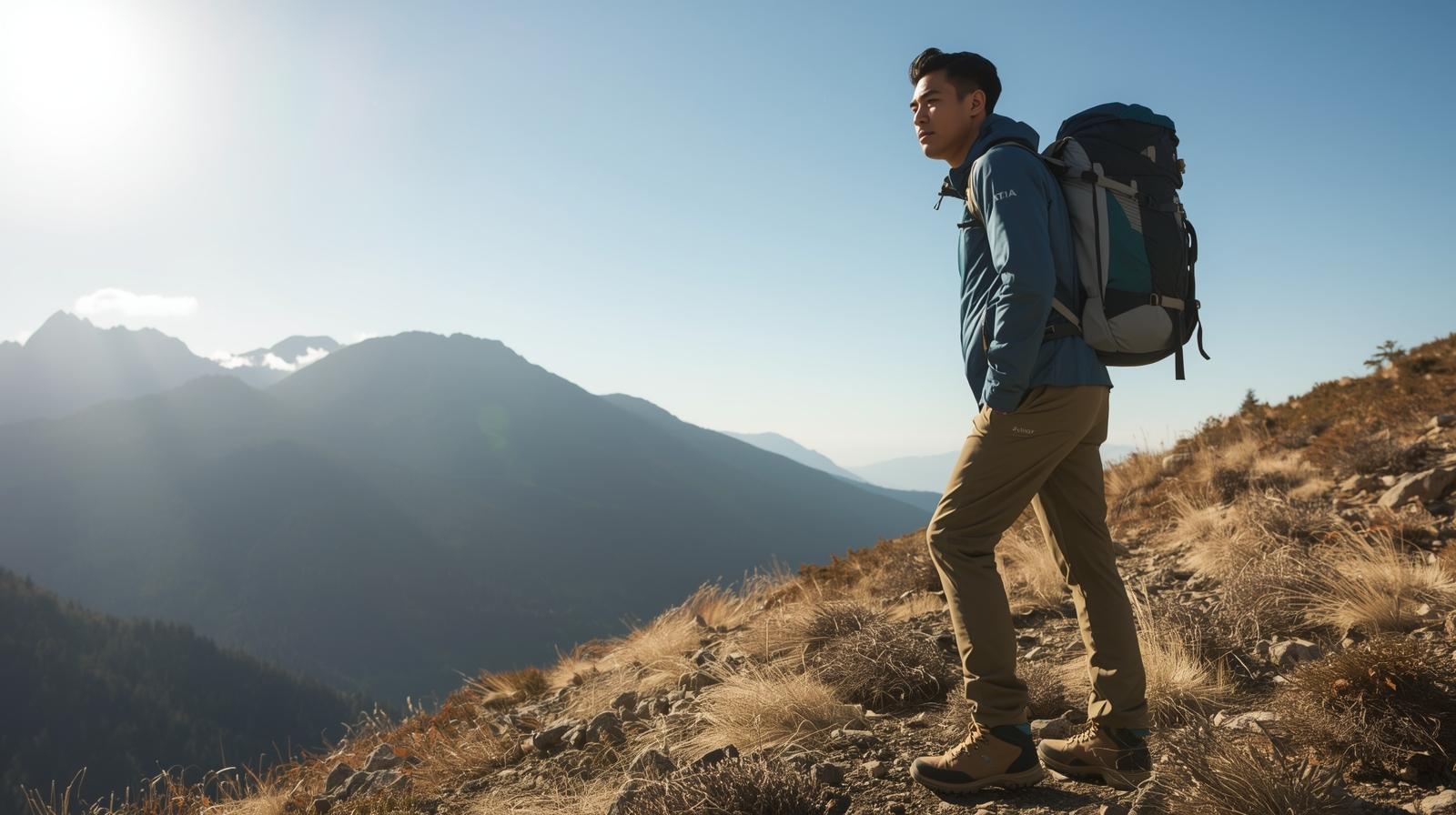
Stepping onto a trail for the first time taught me something crucial: what to wear hiking matters far more than I ever imagined. During my early hiking days in the Rockies, I made the rookie mistake of wearing a thick cotton hoodie. Twenty minutes into the climb, I was drenched in sweat, shivering despite the exertion. That uncomfortable lesson changed everything about how I approach hiking apparel.
Understanding what to wear hiking isn’t just about comfort it’s about safety, performance, and enjoying your outdoor adventure to the fullest. The hiking apparel segment dominates the outdoor gear market, holding nearly half of the industry’s revenue at 49.7% in 2024, proving that hikers worldwide recognize the importance of proper clothing choices.
Understanding the Hiking Clothing Revolution
The outdoor apparel industry has transformed dramatically. The outdoor apparel market exceeded $17.47 billion in 2025 and is projected to grow at 5.5% annually through 2034, driven by innovations in fabric technology and growing participation in outdoor recreation. This growth reflects how seriously modern hikers take their clothing choices.
When deciding what to wear hiking, you’re investing in gear that uses cutting-edge materials. Modern hiking clothing incorporates lightweight, durable materials like Gore-Tex and ripstop nylon, featuring moisture-wicking fabrics, temperature-regulating insulation, and waterproof zippers that enhance both comfort and safety on the trail.
The Three-Layer System: Foundation of What to Wear Hiking
Base Layer: Your First Defense
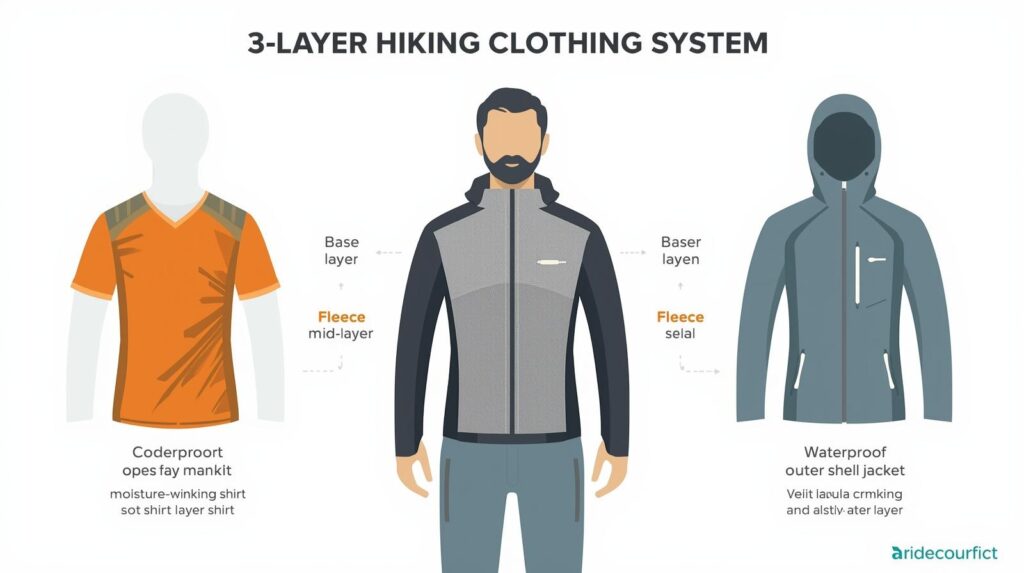
The base layer represents the most critical component when determining what to wear hiking. Base layers wick sweat off your skin, playing an essential role in regulating body temperature and managing moisture. Think of this layer as your second skin it should fit snugly without restricting movement.
During a particularly challenging hike in Washington’s Cascades, I learned why cotton base layers fail miserably. Cotton absorbs moisture and stays damp, creating a clammy, uncomfortable experience that can lead to dangerous heat loss. Modern base layers use either synthetic materials like polyester or natural fibers like merino wool, both designed to pull moisture away from your skin.
For warmer conditions, lightweight base layers work perfectly. When temperatures drop, midweight or heavyweight options provide additional insulation while maintaining moisture management. Understanding what clothes to wear for hiking starts with choosing the right base layer thickness for your expected conditions.
Mid Layer: Insulation That Adapts
Mid layers trap body heat while allowing moisture to escape a delicate balance that defines what to wear hiking in variable conditions. The insulating layer retains heat radiated by your body, with thicker or puffier materials generally providing more warmth, though material efficiency matters tremendously.
Polyester fleece remains a hiking staple, available in lightweight, midweight, and heavyweight options (often marketed as 100, 200, and 300 weight). Fleece maintains warmth even when damp and dries quickly essential qualities for unpredictable weather. I typically carry a midweight fleece jacket, which provides excellent warmth-to-weight ratio and versatility.
Down jackets offer superior warmth-to-weight ratio and impressive packability for backpacking trips. However, synthetic insulation performs better in wet conditions, maintaining insulating properties even when damp. When planning what to wear hiking in potentially wet environments, synthetic mid layers often prove more reliable.
Outer Layer: Weather Protection
The outer shell protects against wind, rain, and snow your final defense against the elements. When considering what to wear hiking, your shell choice depends on expected weather severity. Outer layers should be made from lightweight, technical materials that are breathable, helping keep skin dry and core temperature steady, which is crucial for both energy conservation and safety.
Waterproof-breathable shells represent the gold standard for serious hikers. These jackets keep rain out while allowing perspiration vapor to escape, preventing the internal moisture buildup that plagues non-breathable shells. Look for features like pit zips, adjustable hoods, and adequate room over base and mid layers compression reduces insulation effectiveness by squashing the air-trapping fibers.
Seasonal Considerations for What to Wear Hiking
| Season | Base Layer | Mid Layer | Outer Layer | Key Considerations |
|---|---|---|---|---|
| Summer | Lightweight synthetic or merino wool | Optional fleece vest | Lightweight wind shell or rain jacket | Sun protection, breathability |
| Fall | Midweight base layer | Fleece jacket or light insulated jacket | Waterproof shell | Temperature fluctuations, wind protection |
| Winter | Heavyweight merino wool or synthetic | Heavy fleece + insulated jacket | Waterproof-breathable parka | Moisture management critical, prevent overheating |
| Spring | Midweight base layer | Packable fleece or synthetic puffy | Waterproof shell with ventilation | Rapid weather changes, mud protection |
Bottom Half: Often Overlooked When Planning What to Wear Hiking
While upper body layering gets most attention, knowing what to wear hiking from the waist down matters equally. I prefer convertible hiking pants with zip-off legs, offering versatility for changing conditions. During summer hikes, moisture-wicking hiking shorts provide excellent freedom of movement and cooling.
For colder conditions, softshell pants offer weather resistance while maintaining breathability. In winter, I layer lightweight base layer bottoms under hiking pants or insulated trousers. The key principle remains consistent: avoid cotton, choose moisture-wicking materials, and layer appropriately for conditions.
Footwear: The Foundation of What to Wear Hiking
Your feet literally carry you through every hike, making footwear selection crucial to what to wear hiking. The hiking footwear segment is projected to grow at 3.1% annually, reflecting continuous innovations in design and materials.
Trail runners work excellently for day hikes on well-maintained trails, offering lightweight agility and fast drying times. For rougher terrain or multi-day trips with heavier packs, hiking boots provide essential ankle support and durability. Mid-cut boots offer a compromise, balancing support with reduced weight.
Equally important are hiking socks never wear cotton! Merino wool or synthetic hiking socks prevent blisters through moisture management and strategic cushioning. I always carry an extra pair on longer hikes; fresh socks at lunch can feel remarkably rejuvenating.
Accessories: Completing What to Wear Hiking
Accessories deserve careful consideration when planning what to wear hiking. A moisture-wicking hat provides sun protection during summer, while a warm beanie becomes essential for cold weather. I’ve found that neck gaiters offer remarkable versatility, functioning as neck warmers, face protection, or even makeshift headbands.
Gloves protect hands in cold weather I carry lightweight liner gloves and heavier insulated gloves for layering flexibility. Sunglasses protect eyes from harmful UV rays and reduce strain, particularly at higher elevations where sunlight intensifies.
Gaiters prevent debris, mud, and snow from entering boots invaluable during muddy spring hikes or winter snowshoeing. Though sometimes overlooked, these simple accessories significantly enhance trail comfort.
Sustainable Choices: The Future of What to Wear Hiking
The rising demand for eco-friendly and sustainable products reflects growing environmental consciousness among outdoor enthusiasts. Many brands now offer hiking apparel made from recycled materials, biodegradable fabrics, or produced through ethical manufacturing processes.
I’ve increasingly chosen brands committed to sustainability, recognizing that protecting the environments we love to explore requires conscious consumer choices. These investments often cost more initially but typically offer superior durability and performance, proving economical long-term while reducing environmental impact.
Personal Experience: Lessons from the Trail
After years of hiking diverse terrain across multiple continents, I’ve learned that what to wear hiking varies tremendously based on personal factors. Metabolism differences mean some people run hot while others feel cold in identical conditions. Exertion level dramatically impacts temperature regulation you’ll likely feel warmer hiking uphill than during flat trail sections.
I recommend keeping a hiking journal noting what clothes to wear for hiking in various conditions alongside weather observations and comfort levels. This personal data becomes invaluable for planning future adventures. During a recent trek through Patagonia, my meticulously chosen layering system refined through years of trial and error kept me comfortable through remarkably variable conditions, from brilliant sunshine to sudden snow squalls.
Shopping Smart: Investing in What to Wear Hiking
Quality hiking apparel represents a significant investment, but proper choices last years with appropriate care. I prioritize versatile pieces that work across multiple seasons and activities. A good waterproof shell, for instance, serves equally well for hiking, camping, or everyday rain protection.
Watch for sales at outdoor retailers, particularly during seasonal transitions when previous year’s models get discounted. Online shopping offers convenience, but I recommend trying items in-store when possible fit matters enormously for comfort and performance. For comprehensive outdoor gear reviews and recommendations, check out Ninty2magazine for expert insights.
Technology Integration: Modern Innovations in What to Wear Hiking
Technological advancements including GPS devices, mobile applications, wearable technology, and drone technology have revolutionized the hiking gear market. While not strictly clothing, these technologies increasingly integrate with hiking apparel through smartphone pockets, cable routing systems, and compatibility with fitness tracking devices.
Some advanced hiking jackets now incorporate LED lighting systems for safety during early morning or evening hikes. Heated base layers, powered by lightweight battery packs, offer adjustable warmth for extremely cold conditions. Though optional, these innovations demonstrate how what to wear hiking continues evolving with technology.
Common Mistakes to Avoid
Throughout years of hiking, I’ve witnessed countless wardrobe mistakes that compromise safety and comfort. Overdressing ranks among the most common beginning a hike feeling comfortable often means you’ll overheat quickly once moving. I typically start slightly cool, knowing exertion will warm me.
Failing to bring adequate layers represents the opposite extreme. Weather changes rapidly, particularly at elevation. I learned this lesson during an Olympic National Park hike when unexpected afternoon rain transformed a pleasant summer day into a dangerously cold situation. Always pack your shell layer, even when skies look clear.
Neglecting moisture management causes numerous problems. Even in cold weather, you’ll sweat during exertion. If base layers can’t wick moisture effectively, you’ll eventually feel cold despite wearing warm clothing. Understanding what to wear hiking requires recognizing that staying dry matters as much as staying warm.
Conclusion: Mastering What to Wear Hiking
Determining what to wear hiking combines science, experience, and personal preference. The three-layer system base layer for moisture management, mid layer for insulation, outer layer for weather protection provides a proven framework adaptable to any conditions. Quality materials like merino wool, synthetic fabrics, and advanced shells make modern hiking apparel remarkably effective.
The outdoor apparel market’s continued growth reflects increasing consumer appreciation for performance-oriented gear that blends technical innovation with environmental responsibility. As you develop your hiking wardrobe, prioritize versatility, quality, and sustainability.
Remember that what clothes to wear for hiking evolves with experience. Pay attention to your comfort, take notes about what works, and don’t hesitate to adjust your system. The trail teaches valuable lessons sometimes uncomfortably but each experience refines your understanding.
For readers exploring outdoor adventures, visit REI for extensive resources on hiking gear and expert advice.
Start your next hike properly equipped, stay comfortable through changing conditions, and focus on enjoying the incredible experiences our trails offer. After all, isn’t discovering what works best for your body and hiking style part of the adventure?
Frequently Asked Questions
What should I absolutely avoid wearing while hiking?
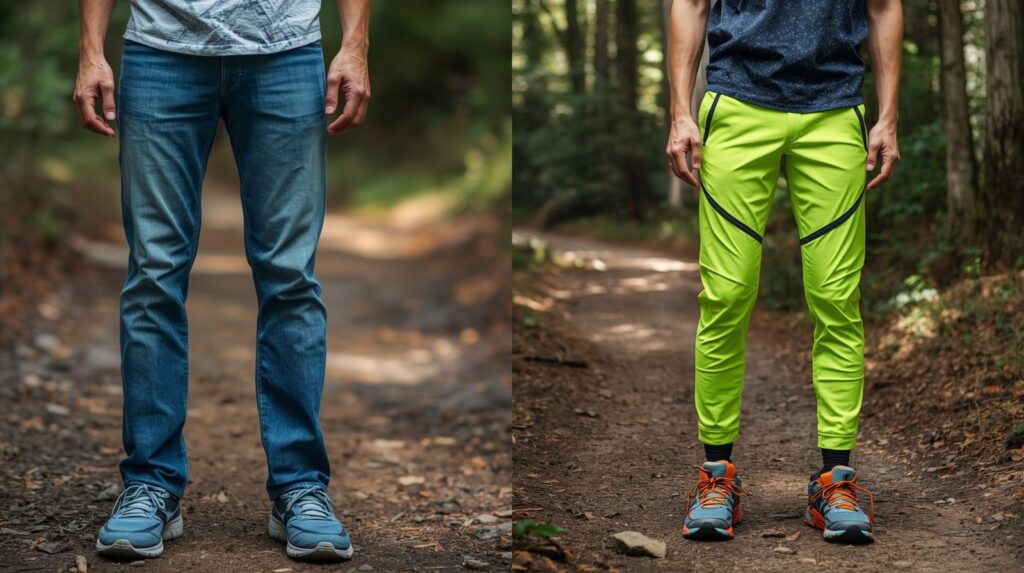
Never wear cotton clothing for hiking. Cotton absorbs moisture, stays wet, and can lead to dangerous heat loss through a process called evaporative cooling. This applies to everything from t-shirts to underwear to socks. Instead, choose moisture-wicking synthetic materials or merino wool that pull sweat away from your skin and dry quickly. Jeans are particularly problematic heavy, restrictive, and terrible when wet. Modern hiking pants offer superior comfort, flexibility, and weather protection.
How many layers should I bring for a day hike?
For most day hikes, carry all three layers regardless of starting conditions: a moisture-wicking base layer, an insulating mid layer like fleece, and a waterproof-breathable shell. Weather changes rapidly, especially at elevation, and it’s far better to carry layers you don’t use than need protection you left behind. In summer, your base layer might simply be a moisture-wicking t-shirt, while winter requires more substantial options. The key principle: you can always remove layers if warm, but you cannot add layers you didn’t pack.
Is expensive hiking clothing worth the investment?
Quality hiking apparel typically justifies its higher price through superior materials, construction, and longevity. A well-made waterproof shell might cost $200-400 but will last years with proper care, providing reliable protection in challenging conditions. Budget options often fail precisely when you need them most. However, you don’t need to buy everything at once prioritize essential items like good base layers, a reliable shell, and proper footwear, then gradually expand your wardrobe. Sales, outlet stores, and previous season models offer opportunities to acquire quality gear at reduced prices.
What fabrics work best for different hiking conditions?
Merino wool excels for base layers across all seasons due to natural odor resistance, excellent moisture management, and warmth even when damp. Synthetic materials like polyester dry faster and cost less, making them practical for budget-conscious hikers. For mid layers, fleece provides excellent warmth-to-weight ratio and breathability. Down insulation offers unbeatable warmth and packability for cold, dry conditions, while synthetic insulation maintains performance when wet. Outer shells should use waterproof-breathable membranes like Gore-Tex or similar technologies that block external moisture while allowing perspiration vapor to escape.
How should hiking clothing fit properly?
Base layers should fit snugly against your skin without restricting movement think fitted but not tight. This close contact facilitates effective moisture wicking. Mid layers need enough room to comfortably fit over base layers without compression, which would reduce their insulating air pockets. Outer shells require the most room, accommodating both base and mid layers underneath without feeling bulky or restrictive. When trying shells, wear your typical base and mid layer combination to ensure proper fit. Pants should allow full range of motion for stepping up onto rocks or logs without binding at the waist or knees.
What aspects of hiking clothing selection do you find most challenging when planning your outdoor adventures?