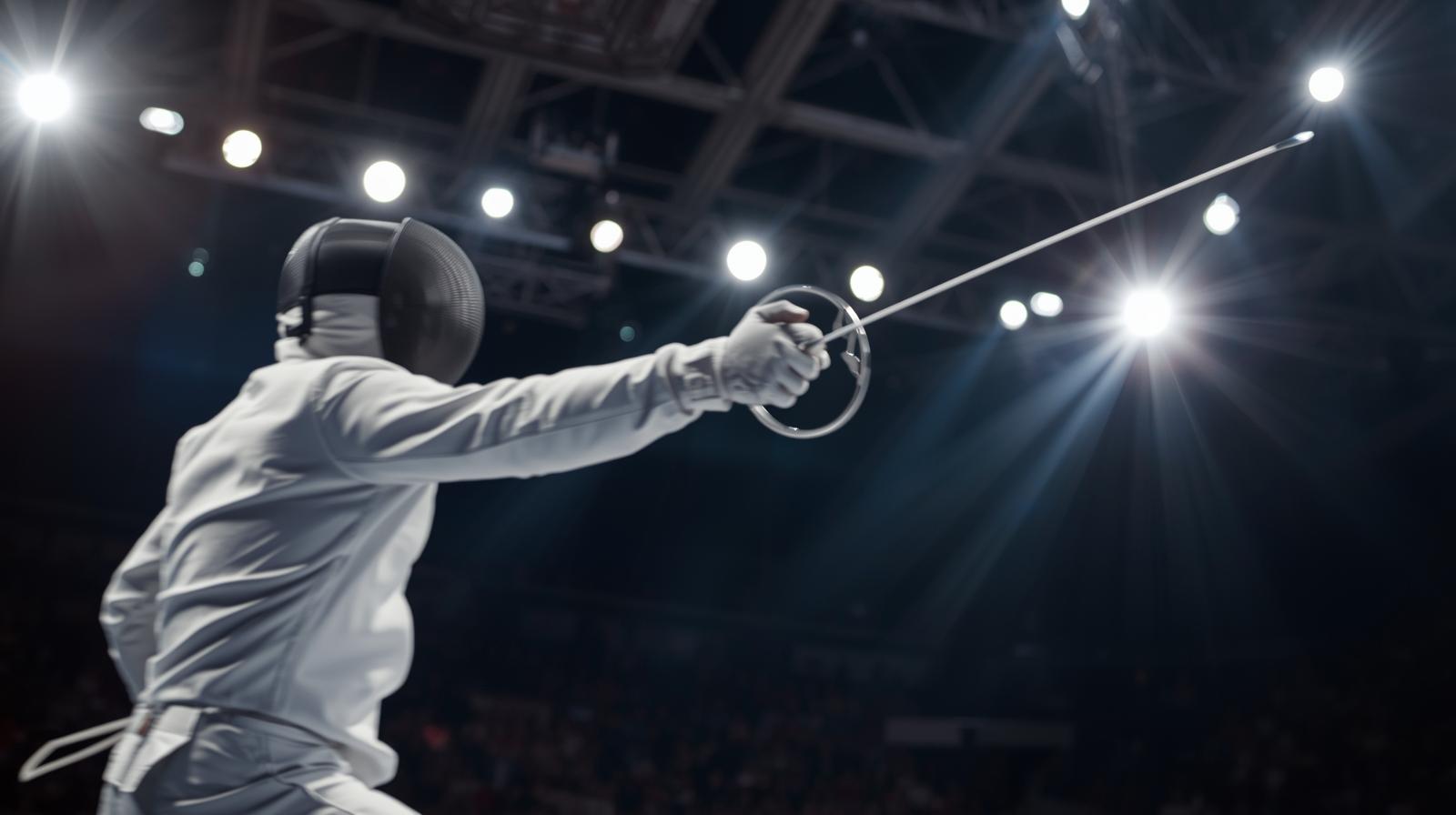
When I first held a fencing sword at age fourteen, the lightweight blade felt like an extension of my arm a precise instrument designed for speed, strategy, and split-second decisions. That moment sparked a lifelong fascination with these elegant weapons that combine centuries-old tradition with cutting-edge technology. Today, the fencing sword industry stands at an exciting crossroads where heritage meets innovation, with market projections indicating substantial growth and unprecedented global attention following the World Fencing League’s April 2026 debut in Los Angeles.
Understanding the Fencing Sword Evolution
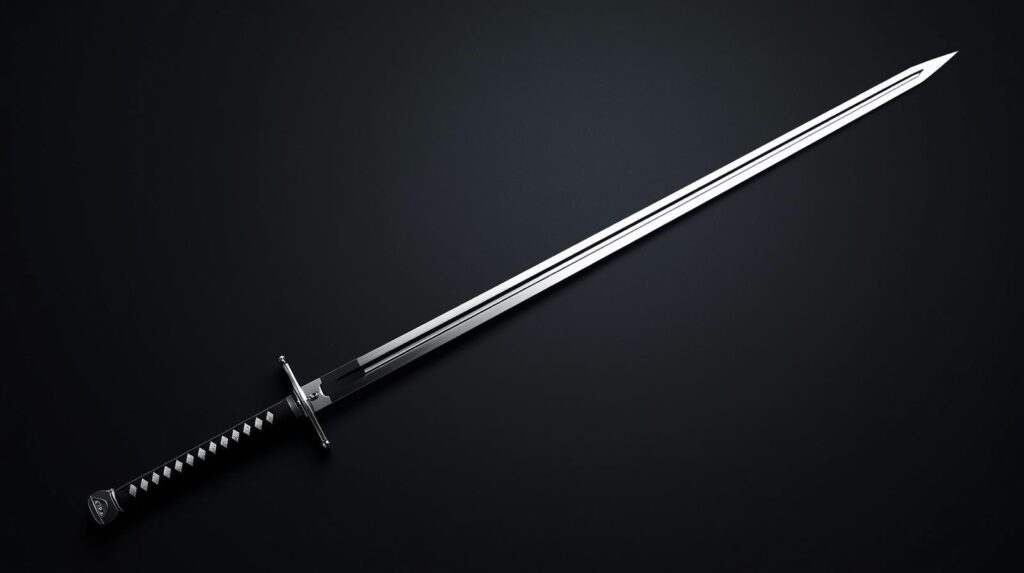
The modern fencing sword traces its lineage to 16th-century European combat training. What began as dueling preparation has transformed into one of the world’s most technically demanding Olympic sports. Fencing has been a permanent fixture at every Olympic Games since 1896, making it one of only five sports with this distinction.
The journey of the fencing sword from battlefield weapon to precision sporting equipment reflects remarkable engineering advancement. Today’s blades incorporate lightweight materials, electronic scoring systems, and ergonomic designs that would astound the Renaissance fencing masters who pioneered the sport.
Market Growth and 2026 Statistics
The global fencing sword blade market demonstrates robust expansion. Projections show the market reaching 2.1 billion USD by 2032, with a CAGR of 3.76% during the forecast period. This growth reflects increasing participation at both amateur and professional levels worldwide.
The 2025 market size is estimated at approximately $50 million USD, with demand driven by rising youth participation and expanding fencing academies globally. The industry benefits from technological advancements in blade manufacturing, including advanced materials that create lighter, stronger, and more durable weapons.
Regional Market Distribution
| Region | Market Share | Growth Trajectory |
|---|---|---|
| Europe | 40% | Stable, mature market with strong tradition |
| North America | 30% | Growing through academy expansion |
| Asia-Pacific | 25% | Fastest growth, particularly China and Japan |
| Other Regions | 5% | Emerging markets with increasing participation |
Europe and North America remain dominant markets, while Asia exhibits promising growth potential, fueled by international competition participation and youth Sports program investments.
Fencing Sword Types: A Comprehensive Breakdown
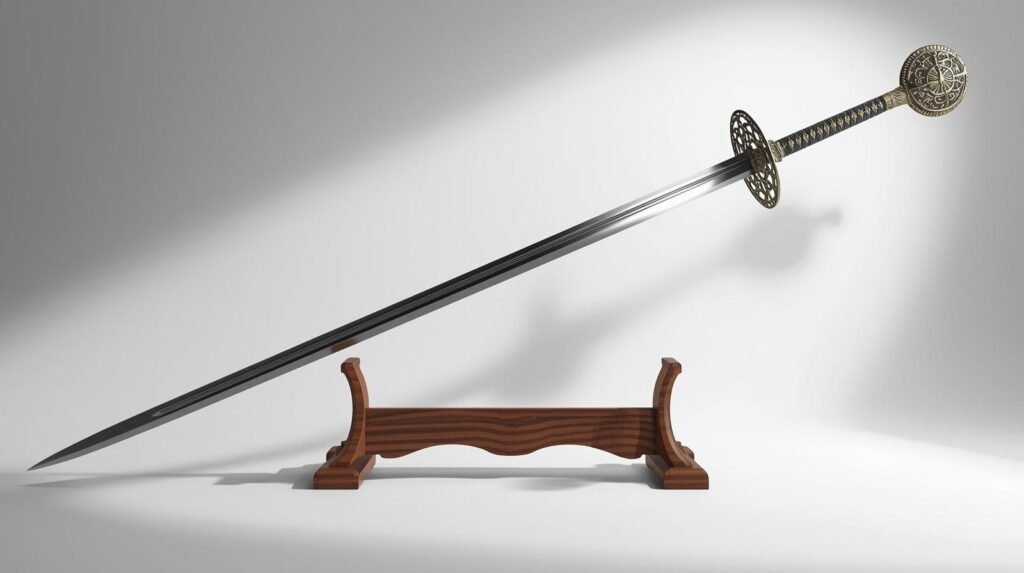
Understanding the three primary fencing sword types is essential for anyone entering the sport. Each weapon offers distinct characteristics, rules, and strategic approaches.
Foil: The Precision Instrument
The foil represents the most popular fencing sword among beginners and competitors alike. A foil measures 110cm total length, with a 90cm blade and weighs less than 500 grams. Its lightweight design and precise targeting requirements make it ideal for developing fundamental technique.
Key Characteristics:
- Rectangular blade cross-section
- Target area: torso and neck only
- Right-of-way rules apply
- Thrust-only scoring
- Electric and non-electric versions available
The foil’s emphasis on torso targeting teaches fencers proper form and attack prioritization. Right-of-way rules determine point awards when both fencers strike simultaneously, creating a chess-like strategic element that rewards proper technique and timing.
Épée: The Complete Combat Weapon
The épée most closely resembles historical dueling swords. With a triangular cross-section and weighing up to 770 grams, the épée is stiffer and heavier than the foil. This weapon demands patience, precision, and tactical thinking.
Distinctive Features:
- Entire body is valid target
- No right-of-way rules
- Both fencers can score simultaneously
- Larger guard for hand protection
- Heavier, less flexible blade
Épée’s lack of priority rules removes subjective calls and encourages strategic risk-taking. Bouts often feature cautious positioning followed by explosive exchanges, making épée particularly appealing to defensive strategists.
Sabre: The Speed Demon
The sabre revolutionizes fencing with its slashing capability and lightning-fast exchanges. Measuring 105cm with an 88cm blade, the sabre weighs less than 500 grams and features a noticeably larger bell guard.
Unique Attributes:
- Scoring with edge or tip
- Target: above the waist, including head and arms
- Right-of-way rules enforced
- Fastest-paced discipline
- Curved guard protecting the hand
Sabre allows scoring with both tip and blade edge, creating fast, offensive exchanges. The explosive nature of sabre fencing makes it thrilling for spectators and physically demanding for competitors.
Fencing Swords at the Olympics: 2024 Paris Highlights
The Paris 2024 Olympics showcased fencing at its finest within the magnificent Grand Palais. 212 athletes from 53 nations competed across 12 gold medal events, demonstrating the sport’s global reach.
Historic Achievements
Several groundbreaking moments defined Olympic fencing in Paris:
- Lee Kiefer became the first U.S. fencer to win three Olympic gold medals
- Japan won its first-ever gold in men’s épée individual and men’s team foil
- Hong Kong’s Vivian Kong became the first woman from Hong Kong to win a fencing medal
- Asian nations demonstrated unprecedented dominance across multiple disciplines
These achievements signal shifting competitive dynamics, with traditional European powerhouses facing strong challenges from Asian fencing programs investing heavily in youth development and training infrastructure.
Technical Specifications and Equipment Standards
Modern fencing swords must meet strict International Fencing Federation (FIE) regulations to ensure fair competition and safety.
Blade Specifications by Type
| Sword Type | Total Length | Blade Length | Maximum Weight | Blade Cross-Section |
|---|---|---|---|---|
| Foil | 110cm | 90cm | 500g | Rectangular |
| Épée | 110cm | 90cm | 770g | Triangular |
| Sabre | 105cm | 88cm | 500g | Rectangular with curved guard |
Material Innovation
Advanced materials result in lighter, stronger, and more durable blades, improving performance while maintaining safety standards. High-grade stainless steel, particularly Maraging steel for FIE-approved competition blades, offers superior durability and consistent flex characteristics.
The introduction of electronic scoring systems transformed competitive fencing. Modern electric fencing swords connect to sophisticated equipment that registers touches within milliseconds, eliminating controversial scoring decisions and ensuring objective judging.
Market Drivers and Industry Trends
Multiple factors propel the fencing sword market’s continued expansion throughout 2026 and beyond.
Youth Participation Surge
Rising fencing popularity, particularly among younger demographics, fuels demand for high-quality equipment. Schools and universities increasingly offer fencing programs, recognizing the sport’s benefits for physical fitness, mental discipline, and strategic thinking.
Academy Expansion
The growing number of fencing academies and training facilities worldwide contributes to increased demand. Professional coaching infrastructure supports athlete development from beginner through elite competition levels.
Technological Integration
Proprietary blade-tracking technology captures every strike, parry, and counterattack in real time, transforming how spectators experience the sport. These innovations make fencing more accessible to mainstream audiences while providing valuable training feedback for competitive athletes.
Health and Fitness Trends
Growing emphasis on health and fitness worldwide positively impacts the market, as fencing combines physical activity with mental focus. The sport offers comprehensive cardiovascular workouts alongside strategic mental challenges that appeal to fitness-conscious individuals seeking engaging alternatives to traditional gym routines.
Choosing Your Fencing Sword: Expert Guidance
Selecting the appropriate fencing sword requires understanding your goals, skill level, and personal preferences.
For Beginners
Most instructors recommend starting with foil due to its lightweight design and emphasis on fundamental technique. The foil’s restricted target area teaches proper body positioning and attack execution. Non-electric versions provide cost-effective options for practice while you develop basic skills.
For Competitors
Serious competitors require electric fencing swords that connect to scoring equipment. Market trends indicate increasing demand for customized blades catering to individual fencing styles and preferences. Competitive fencers often maintain multiple weapons as backups and to accommodate different blade stiffness preferences.
Grip Considerations
Fencing sword grips come in two primary styles: French grip (straight with slight curves) and pistol grip (ergonomically contoured). French grips offer greater blade control and distance management, while pistol grips provide more secure handling and powerful attacks. Personal preference and hand size ultimately determine the best choice.
The Future of Fencing Swords
The fencing sword industry enters an exciting era characterized by innovation, growth, and increased global participation.
World Fencing League Impact
The World Fencing League’s April 2026 launch introduces proprietary blade-tracking technology and data-driven rule changes, potentially revolutionizing how the sport is presented and experienced. Led by three-time Olympian Miles Chamley-Watson, this initiative aims to bridge heritage with innovation for modern audiences.
Market Projections
The positive future outlook shows continued growth over the next decade driven by increasing fencing popularity, rising tournament numbers, and growing demand for high-quality equipment. As more people discover fencing’s unique combination of physical and mental challenges, equipment demand will expand correspondingly.
Sustainability Considerations
Manufacturers face challenges including high manufacturing costs and limited skilled craftsmen, but opportunities exist in developing sustainable production methods and innovative blade designs that reduce environmental impact while maintaining performance standards.
Personal Insights from the Piste
Throughout my years observing and participating in fencing, I’ve witnessed remarkable evolution in equipment quality and accessibility. Today’s fencing sword represents the culmination of centuries of refinement, offering unprecedented performance for athletes at every level.
The choice between foil, épée, and sabre reflects more than technical specifications it embodies different philosophies of combat and strategy. Foil fencers develop surgical precision, épée specialists master psychological warfare through patience and timing, while sabreurs thrive on explosive aggression and lightning reflexes. Each discipline offers unique rewards and challenges that can captivate practitioners for a lifetime.
For those considering entry into this elegant sport, remember that the fencing sword is merely a tool. The real magic emerges through dedicated practice, strategic thinking, and the thrill of matching wits and reflexes against worthy opponents. Whether you’re drawn to foil’s precision, épée’s tactical complexity, or sabre’s raw speed, the modern fencing sword provides the perfect instrument for this timeless pursuit.
Conclusion: The Fencing Sword’s Enduring Appeal
The fencing sword market in 2026 reflects healthy growth, technological innovation, and expanding global participation. From Olympic glory in Paris to the upcoming World Fencing League revolution, competitive fencing captivates audiences worldwide while providing athletes with unparalleled physical and mental challenges.
For readers at Ninty2magazine, the fencing sword represents more than sporting equipment it embodies centuries of martial tradition adapted for modern competition. As market data confirms sustained expansion and youth engagement continues rising, the future of this remarkable weapon remains bright.
Whether you’re considering your first fencing lesson or following elite competition, understanding fencing sword types, market trends, and technical specifications enhances appreciation for this sophisticated sport. The blend of individual combat, strategic thinking, and explosive athleticism creates experiences unlike any other Olympic discipline.
Frequently Asked Questions
What is the most popular fencing sword type?
Foil holds the largest market share and remains the most common starting point for beginners. However, épée’s straightforward rules and sabre’s exciting pace attract many dedicated practitioners. Each discipline offers distinct advantages depending on individual preferences and strategic inclinations.
How much does a quality fencing sword cost?
Competition-quality electric fencing swords typically range from $150 to $400, depending on blade material, brand reputation, and FIE approval status. Beginners can start with non-electric practice weapons costing $50-$150, while professional competitors often invest in multiple high-end blades.
Can I compete with different fencing sword types?
While possible, most competitive fencers specialize in one discipline as they develop advanced skills. The distinct techniques, strategies, and rules of each weapon type require focused training. However, cross-training between disciplines can improve overall fencing ability and tactical understanding.
How often should I replace my fencing sword blade?
Blade longevity depends on usage intensity and quality. Competitive fencers practicing daily may replace blades every 3-6 months due to wear and breakage. Recreational fencers with less frequent practice can expect 1-2 years from quality blades with proper maintenance and storage.
Are fencing swords safe for beginners?
Modern fencing swords incorporate numerous safety features including flexible blades, blunted tips, and required protective equipment. With proper instruction, safety gear, and supervised practice, fencing remains remarkably safe compared to many contact sports. The sport’s injury rate is significantly lower than basketball, soccer, or football when proper protocols are followed.
What aspects of fencing sword technology or market trends interest you most for your own practice or following the sport?