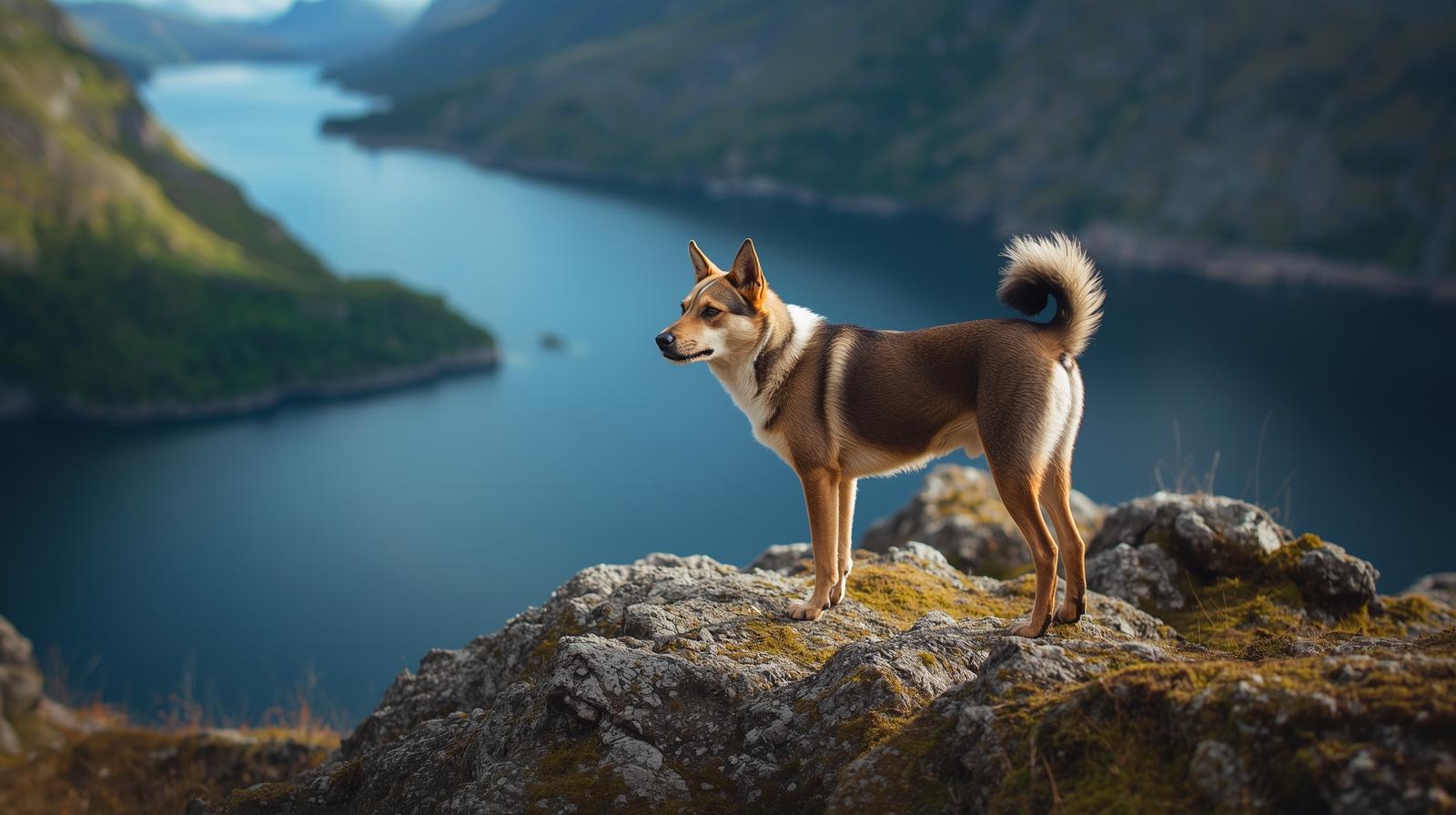
The first time I encountered a Norwegian Lundehund at a rare breed exhibition, I couldn’t believe my eyes. This small, fox-like creature bent its head backward until it touched its spine, then splayed its legs out like airplane wings. With six fully functional toes on each paw, this wasn’t just any dog it was a living testament to specialized evolution and miraculous survival against extinction.
What Makes This Rare Norwegian Breed So Unique
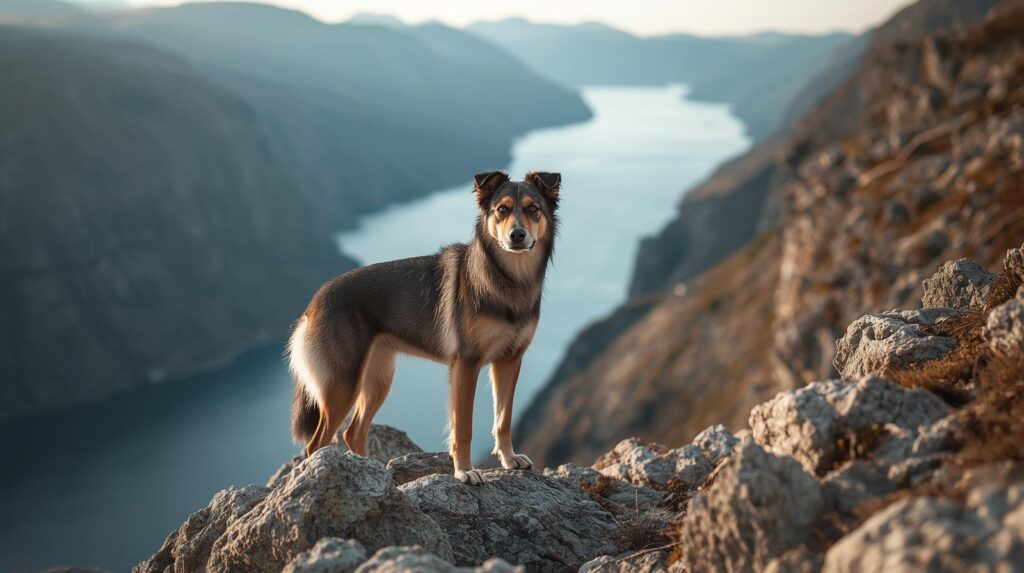
The Norwegian Lundehund stands as one of the world’s most extraordinary canine specimens. This rare dog breed from Norway possesses physical adaptations found in no other dog on Earth. Originally bred to hunt puffins along Norway’s treacherous coastal cliffs, the Norwegian puffin dog developed remarkable features that allowed it to navigate narrow caves and steep rocky terrain.
Standing between 12 to 15 inches tall and weighing just 13 to 22 pounds, this breed may be small in stature, but its capabilities are enormous. The breed’s name derives from the Norwegian words “lunde” (puffin) and “hund” (dog), perfectly capturing its historical purpose.
The Anatomical Wonders of This Breed
What truly sets the Norwegian Lundehund apart from other dog breeds are its extraordinary physical traits. Each paw boasts six fully formed, jointed, and muscled toes instead of the usual four, making it one of the rare polydactyl dog breeds. These extra toes gave the Lundehund crucial grip while climbing slippery cliff faces during puffin-hunting expeditions.
This remarkable breed also has an exceptionally flexible neck, capable of bending the head backward along the spine a trait shared only with wild canids like the Australian dingo. Its shoulder joints allow the forelegs to extend horizontally at a 90-degree angle, much like human arms, enabling the dog to squeeze through tight passages and reverse direction inside narrow puffin nesting caves.
Further adaptations include the ability to fold their ears forward or backward, creating a near-tight seal to protect the ear canal from dirt, water, and debris during cliff hunts. The Lundehund’s dense, rough outer coat paired with a soft undercoat provides essential insulation against Norway’s harsh Arctic climate, making it perfectly suited for its extreme environment.
A Species on the Brink: Population Statistics
The Norwegian Lundehund represents one of the most critically endangered dog breeds globally. According to recent data, there are approximately 1,500 of these dogs worldwide as of 2022, with roughly 900 residing in Norway. The American Kennel Club ranks this breed as the rarest dog breed, placing it at 197 out of 197 recognized breeds in their 2021 registration statistics.
The breed’s genetic situation reveals an even more alarming picture. Scientific studies show that the population has lost 38.8% of the genetic diversity present in its base population. The current genomic Coefficient of Inbreeding (gCOI) stands at an unprecedented 90%, meaning 90% of genes within the population are identical by descent.
| Metric | Current Status |
|---|---|
| Global Population | ~1,500 dogs (2022) |
| Norway Population | ~900 dogs |
| AKC Breed Ranking | 197/197 (Rarest) |
| Genetic Diversity Lost | 38.8% |
| Genomic Inbreeding (gCOI) | 90% |
| Average Litter Size | 2.8 puppies |
These statistics paint a sobering picture of this breed’s precarious existence. The effective population size estimates vary between just 13 and 82 depending on calculation methods, highlighting the severe genetic bottleneck this rare dog breed from Norway faces.
From Viking Companions to Near Extinction
The Norwegian Lundehund’s history stretches back over 400 years, with written records dating to the early 1400s. Norwegian households in the remote Lofoten Islands, an archipelago north of the Arctic Circle, often kept up to a dozen of these dogs, valuing them more highly than cows. The best working dogs could catch up to 80 puffins daily, providing crucial meat, feathers, and resources for survival in this harsh environment.
However, their fortunes changed dramatically in the 1800s when the Norwegian government implemented a dog tax, causing populations to plummet. When puffin hunting methods shifted to using nets rather than dogs, and puffins later became protected as endangered species, demand for these puffin dogs virtually disappeared.
The Near-Death Experience
The breed nearly vanished from existence during World War II when canine distemper struck Værøy and surrounding islands, reducing the population to just two dogs. In 1963, another distemper outbreak decimated the population further only six dogs survived: one on Værøy and five in eastern Norway, all from the same mother. This catastrophic population bottleneck created the genetic crisis that plagues the breed today.
Eleanor Christie, a Norwegian woman, deserves credit for preventing complete extinction. She and her husband worked tirelessly to re-establish the breed’s numbers, managing to maintain over 60 dogs in their kennel during the 1930s. The breed wasn’t officially recognized until 1943 in Norway, and the American Kennel Club didn’t formally recognize it until July 2008.
Living With a Norwegian Lundehund
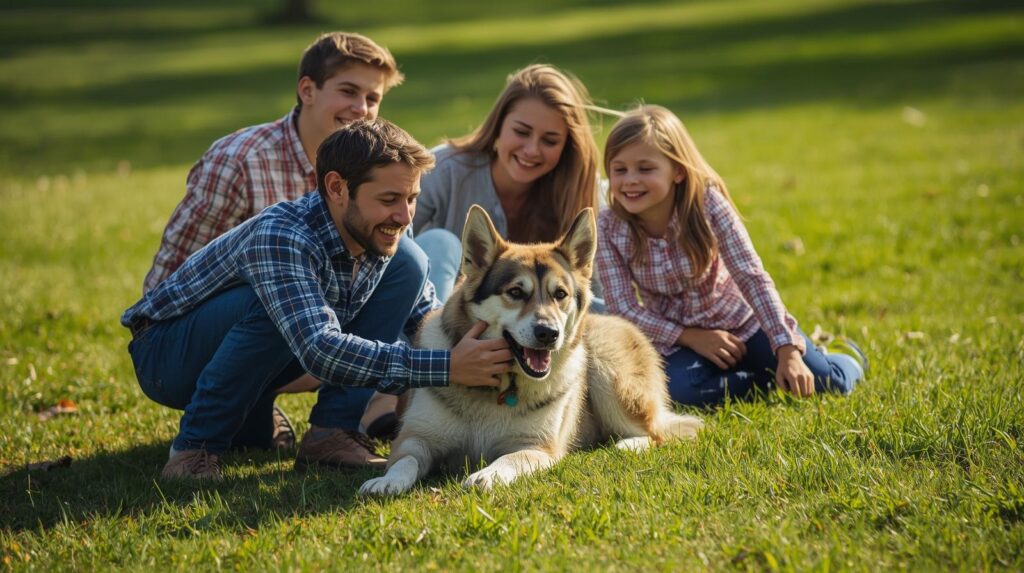
Despite their rarity, the Norwegian Lundehund makes an affectionate family companion for the right owner. These dogs are energetic, alert, intelligent, and loyal, displaying a friendly disposition toward family members. However, they maintain an independent streak and can be wary of strangers, though rarely aggressive.
This breed requires consistent mental and physical stimulation. They excel at agility training and enjoy both vigorous play sessions and cuddle time with their humans. Their hunting heritage means they respond well to activities that challenge their problem-solving abilities.
Training Challenges and Considerations
Prospective owners should understand that these dogs present unique training challenges. House training can be particularly difficult, often taking longer than other breeds. Their intelligence combined with independence means they learn quickly but question commands, essentially asking “Why should I?”
Consistency, patience, and positive reinforcement prove essential when training this breed. Motivation through treats, toys, praise, and petting works best. Crate training is almost mandatory given their house-training difficulties. Early socialization helps puppies develop into well-adjusted adults.
These dogs serve as alarm barkers, alerting owners to unfamiliar sights and sounds, but with adequate exercise and mental stimulation, they typically don’t engage in nuisance barking. They generally get along well with other pets and Animals when properly socialized from puppyhood.
The Health Crisis: Lundehund Syndrome
Perhaps the most devastating challenge facing the Norwegian Lundehund is its predisposition to severe gastrointestinal disease. Approximately 40% of these dogs develop intestinal lymphangiectasia, commonly known as Lundehund Syndrome a protein-wasting enteropathy that causes intermittent diarrhea, vomiting, weight loss, and fluid accumulation in the abdomen.
Research reveals that 30% of deaths before age 11 result directly from Lundehund Syndrome, with another 10% dying from other gastrointestinal diseases. The condition has no cure, though it can be managed through dietary modifications and medications. Many affected dogs experience repeated acute episodes throughout their lives, requiring extensive medical treatment and significantly impacting quality of life.
Managing Gastrointestinal Health
Owners must work closely with veterinarians experienced in managing this rare breed’s health challenges. Low-fat, higher-protein diets have shown very positive effects on digestive health for affected dogs. Regular blood work monitoring albumin levels and checking for anemia helps catch problems early.
Small intestinal bacterial overgrowth (SIBO) frequently develops as undigested nutrients pass through the compromised digestive tract, creating conditions for harmful bacterial growth. Oral antibiotics typically treat SIBO, though chronic diarrhea can persist for weeks or months.
Genetic Rescue: The Cross-Breeding Initiative
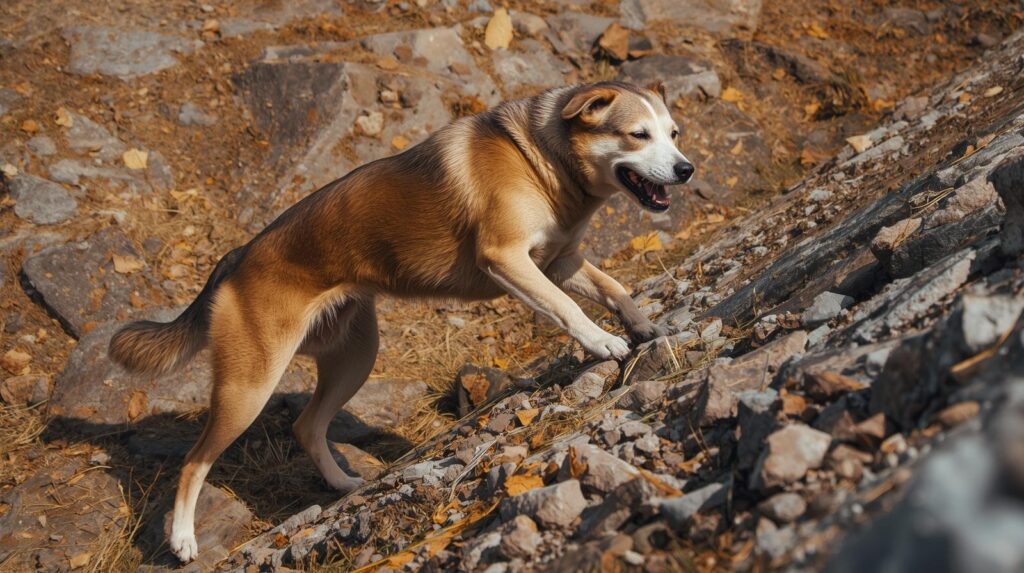
Recognizing that the Norwegian Lundehund cannot survive without intervention, the Norwegian Lundehund Club, in conjunction with the Norwegian Kennel Club and international breed organizations, initiated a bold cross-breeding project in 2014. This genetic rescue program represents the only viable path to saving this unique breed.
The project carefully introduces genetic material from three other Spitz breeds in geographic proximity: the Norwegian Buhund, Icelandic Sheepdog, and Norrbottenspets. Females from these breeds are bred to males of this endangered breed, and subsequent generations are crossed back until offspring again resemble their paternal forebears.
Scientific modeling demonstrates that adding just 10 breeding candidates from foreign breeds to 30 breeders reduces parental additive genetic relationships by 40-42%. Complete replacement would reduce it by 48-53%, substantially improving genetic diversity without losing the breed’s distinctive characteristics.
Modern Roles for an Ancient Breed
While the Norwegian Lundehund can no longer legally hunt puffins, innovative programs are finding new purposes for their specialized skills. At Tromsø Airport in northern Norway, the Norwegian Air Traffic and Airport Management is testing these dogs as a solution to bird strikes collisions between aircraft and birds that pose serious safety risks.
These remarkable puffin dogs use their natural hunting abilities to locate seagull nests and remove eggs around airport perimeters, just as they once did with puffin nests on coastal cliffs. This application demonstrates how their unique adaptations remain valuable in modern contexts, providing both purpose and public awareness for the breed.
Why This Breed Matters
You might wonder why preserving such a genetically troubled breed matters. The Norwegian Lundehund represents irreplaceable genetic heritage and living history. These dogs carry adaptations found nowhere else in the canine world physical traits that took centuries to develop through natural and human selection in one of Earth’s most challenging environments.
Furthermore, the breed’s health challenges, particularly Lundehund Syndrome, provide valuable research opportunities. Understanding gut microbiome relationships with genetic markers in this breed could yield insights applicable to similar human intestinal diseases. The small, highly related population offers unique research advantages impossible to replicate in human populations.
For readers interested in rare breed conservation and genetic diversity issues affecting dogs worldwide, this story provides crucial lessons. Ninty2magazine covers similar conservation efforts across various animal species, highlighting the importance of maintaining biodiversity.
Conclusion: A Breed Worth Saving
The Norwegian Lundehund stands as a remarkable testament to both specialized adaptation and the precariousness of genetic diversity. These extraordinary dogs, with their six toes, incredible flexibility, and gentle dispositions, deserve our protection and conservation efforts. While the road ahead remains challenging, the cross-breeding initiative offers genuine hope for securing their future.
If you’re considering adding a rare dog breed from Norway to your family, this breed requires experienced ownership, significant veterinary expenses, and deep commitment to managing potential health issues. However, for those willing to meet these challenges, the Norwegian puffin dog offers unparalleled uniqueness and the satisfaction of helping preserve one of the world’s rarest canine treasures.
For more information about breeding programs and adoption opportunities, the Norwegian Lundehund Association of America provides valuable resources for prospective owners and breed enthusiasts.
Frequently Asked Questions
How much does a Norwegian Lundehund puppy cost?
Puppies typically cost between $2,000-$4,000 from reputable breeders, though prices vary based on lineage and breeder reputation. The extreme rarity of this breed means wait lists can extend several years. Potential owners should budget significantly for veterinary care, as gastrointestinal issues require ongoing medical management throughout the dog’s lifetime.
Can Norwegian Lundehund dogs live in apartments?
Yes, their small size (12-15 inches tall, 13-22 pounds) makes them adaptable to apartment living, provided they receive adequate daily exercise and mental stimulation. These energetic dogs require at least 45-60 minutes of activity daily through walks, play sessions, or agility training. Without sufficient exercise, they may develop destructive behaviors or excessive barking.
What is the life expectancy of a Norwegian Lundehund?
This breed typically lives 12-15 years with proper care. However, Lundehund Syndrome significantly impacts longevity and quality of life 30% of deaths before age 11 result from this gastrointestinal disease. Dogs receiving proactive veterinary care, specialized diets, and early intervention for digestive issues tend to live longer, healthier lives than those without proper management.
Are Norwegian Lundehund good with children?
These dogs generally tolerate children well when properly socialized from puppyhood. Their playful, loyal nature makes them good family pets, though their independent streak requires consistent training. Supervision is important with young children, as their small size makes them vulnerable to rough handling. Teaching children appropriate interaction with this rare breed prevents accidental injuries.
Why does the Norwegian Lundehund have six toes?
The breed evolved six fully functional toes on each paw as an adaptation for climbing steep, slippery cliff faces while hunting puffins. These extra digits, combined with large paw pads, provided superior grip and balance on treacherous rocky terrain. This polydactyl trait, maintained through centuries of selective breeding for puffin hunting, remains one of the most distinctive features separating this breed from all other dogs but why should we preserve such unusual traits when they offer little practical value in modern life?