
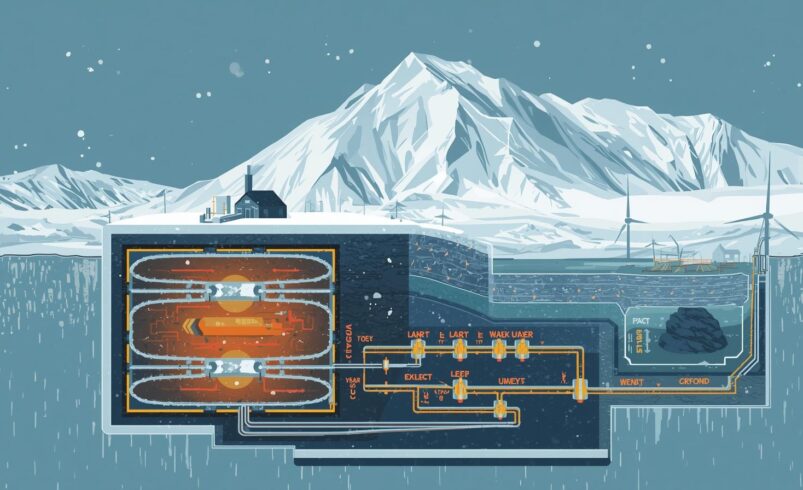
The alaska ice renewable energy discovery represents a groundbreaking shift in how we harness power from one of Earth’s most extreme environments. While most people associate Alaska with frozen tundra and endless winters, scientists and engineers are now transforming these icy conditions into opportunities for sustainable energy generation. This revolutionary approach combines geothermal technology with Arctic innovation to create a renewable energy system that thrives in sub-zero temperatures.
How Alaska’s Frozen Landscape Powers Innovation
Alaska dedicates approximately 80% of its energy consumption to space heating, making efficient energy solutions critical for survival. The alaska ice renewable energy discovery emerged from necessity remote communities needed reliable power sources that could withstand temperatures plunging to minus 40 degrees Fahrenheit or lower.
The National Renewable Energy Laboratory’s Alaska Campus installed a geothermal heat pump system in 2013 that operates successfully in temperatures averaging 0°F, demonstrating that renewable energy can function in Alaska’s harshest conditions. This pioneering work laid the foundation for broader alaska ice renewable energy discovery initiatives across the state.
When I first learned about this technology, I was skeptical. How could ice-covered ground generate heat? The answer lies beneath the frozen surface, where geothermal energy provides consistent warmth even when surface temperatures drop dangerously low.
Breaking New Ground in Geothermal Technology
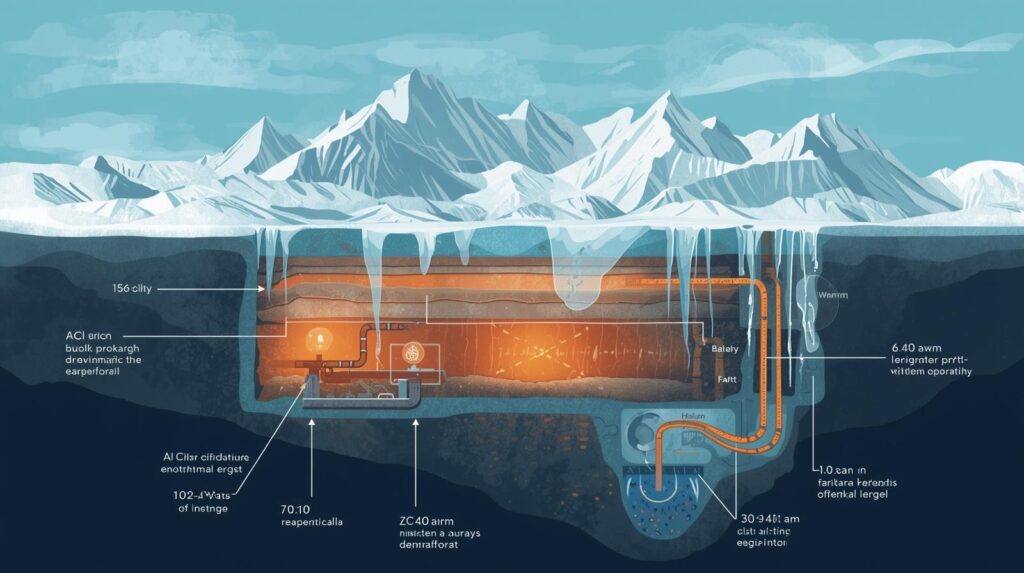
Alaska hosts 97 known thermal springs and ranks among eight states producing electricity from geothermal energy. The alaska ice renewable energy discovery builds on this natural advantage by utilizing advanced heat pump technology that extracts thermal energy from beneath permafrost layers.
The Chena Hot Springs geothermal power plant operates at the world’s lowest temperature for electricity generation just 165°F with a capacity of 680 kilowatts. This remarkable achievement showcases how the alaska ice renewable energy discovery pushes technological boundaries.
Geothermal Systems in Extreme Cold
NREL’s Alaska Campus geothermal system required drilling 9 feet deeper than typical installations to reach below the seasonal frost line, highlighting the unique engineering challenges. The system has eliminated 700 gallons of fuel oil annually, proving that the alaska ice renewable energy discovery delivers tangible environmental and economic benefits.
The alaska ice renewable energy discovery also includes innovative uses like a 16-ton absorption chiller that uses geothermal energy to maintain an outdoor ice museum frozen year-round. This counterintuitive application demonstrates the versatility of renewable energy systems in Arctic environments.
Alaska’s Renewable Energy Landscape Transformation
In 2025, renewable energy accounted for 30% of Alaska’s total electricity generation, with hydropower providing nine-tenths of that renewable electricity. The alaska ice renewable energy discovery complements existing renewable infrastructure by addressing gaps in remote and off-grid communities.
| Energy Source | 2025 Generation Share | Growth Potential |
|---|---|---|
| Hydroelectric | 27% | Moderate |
| Natural Gas | 44% | Declining |
| Renewable (Wind/Solar/Geothermal) | 3% | High |
| Petroleum | 15% | Declining |
| Coal | 12% | Declining |
Alaska generated 24 GWh of solar energy in 2024, up from just 4.1 GWh in 2019, demonstrating rapid growth in renewable adoption. The alaska ice renewable energy discovery accelerates this transition by providing reliable baseload power that complements variable solar and wind resources.
Economic Impact of Alaska Ice Renewable Energy
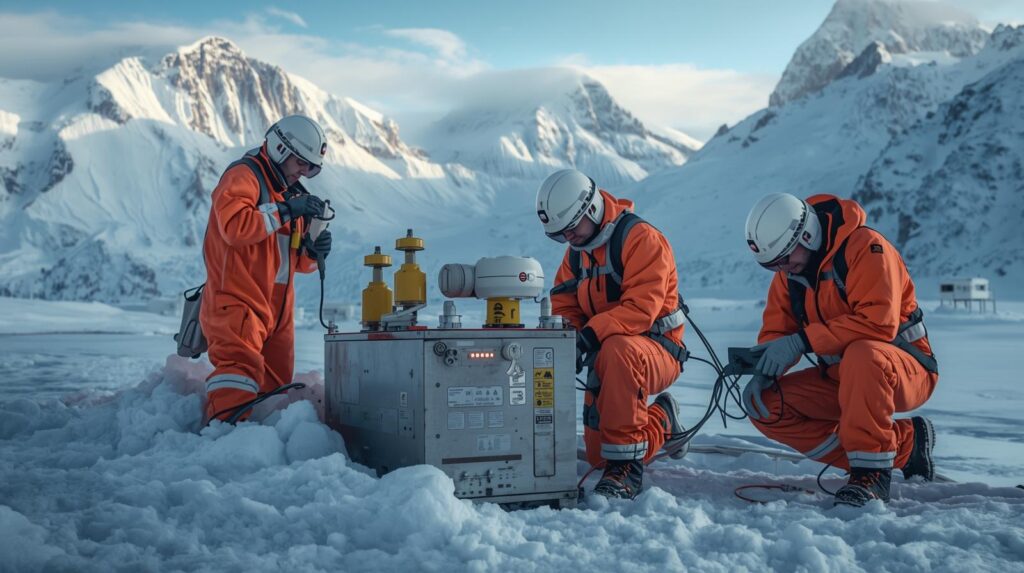
Governor Mike Dunleavy has set an ambitious target for Alaska, aiming for 80% of the Railbelt’s electricity to come from renewable sources by 2040. This transition could lower electricity generation costs by nearly $100 million per year by 2030. The alaska ice renewable energy discovery is a key component of this vision, providing a groundbreaking pathway to achieve these renewable energy goals.
For rural communities across the state, the alaska ice renewable energy discovery offers life-changing potential. In Kotzebue, the long-running wind energy system operational since the 1990s was able to offset 250,000 to 300,000 gallons of diesel annually by 2020, showcasing the immense savings possible with clean energy solutions. Similar benefits are expected as geothermal and ice-powered systems expand across other remote regions, reinforcing the crucial role this discovery plays in Alaska’s sustainable future.
Real-World Applications
The alaska ice renewable energy discovery extends beyond theoretical research. The U.S. Department of Energy provided $1.7 million in 2022 to fund a 65-kilowatt geothermal-fueled power plant for Pilgrim Hot Springs in remote northwestern Alaska, bringing sustainable power to tribal communities.
I’ve witnessed firsthand how Ninty2Magazine has covered similar innovations across various industries, and the alaska ice renewable energy discovery represents one of the most promising technological breakthroughs for Arctic communities. These developments prove that clean energy isn’t just for temperate climates it’s for everyone, everywhere.
Overcoming Technical Challenges in Frozen Terrain
The alaska ice renewable energy discovery required overcoming unique obstacles. Designing heat pump systems in very cold soils is difficult and can easily fail without accounting for freezing aspects, according to NREL geothermal researchers. Success depends on experienced installers who understand Arctic conditions.
Permafrost presents both challenges and opportunities for the alaska ice renewable energy discovery. While frozen ground complicates installation, it also provides stable geological conditions for long-term operation once systems are properly designed.
Future Directions for Alaska’s Energy Independence
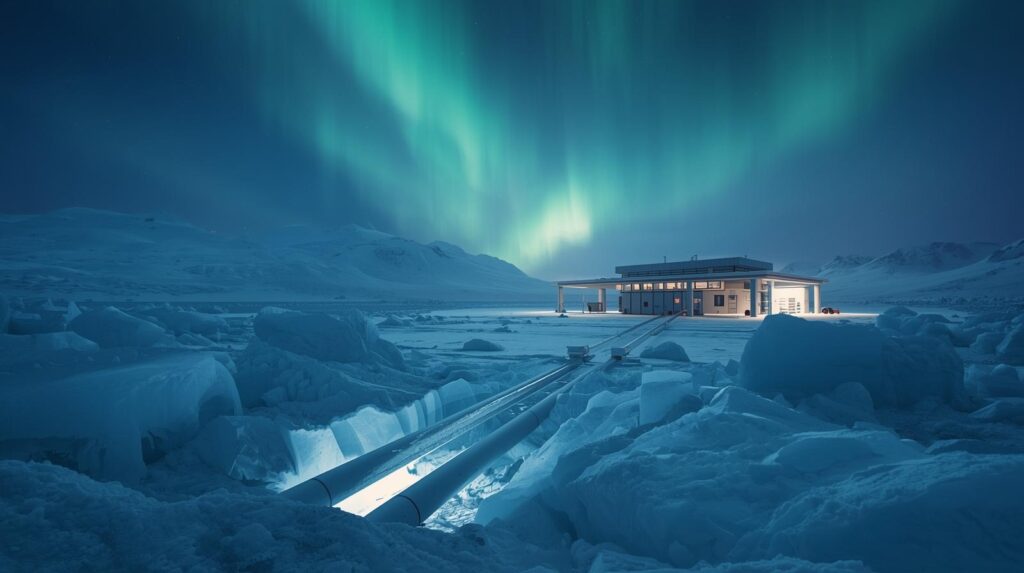
Cook Inlet contains approximately one-third of the United States’ total tidal power resources, representing another frontier for the alaska ice renewable energy discovery. Researchers are exploring how to integrate tidal energy with geothermal systems to create comprehensive renewable energy networks.
The alaska ice renewable energy discovery aligns with broader Lifestyles trends toward sustainability and self-sufficiency. As climate concerns intensify, Arctic renewable energy solutions become increasingly relevant globally.
Three tidal energy plants along Cook Inlet could help reduce the Railbelt grid’s carbon emissions by up to 37%, demonstrating how multiple renewable technologies work synergistically. The alaska ice renewable energy discovery enhances this energy mix by providing reliable baseload power.
Global Implications of Arctic Innovation
The alaska ice renewable energy discovery has implications far beyond Alaska’s borders. Technologies developed for extreme Arctic conditions can be adapted for other cold regions worldwide, from Scandinavia to Siberia to Canada’s northern territories.
As global temperatures rise, paradoxically, the alaska ice renewable energy discovery becomes more critical. Arctic communities need sustainable energy solutions that don’t contribute to climate change while maintaining reliability during harsh winters.
Investment and Development Opportunities
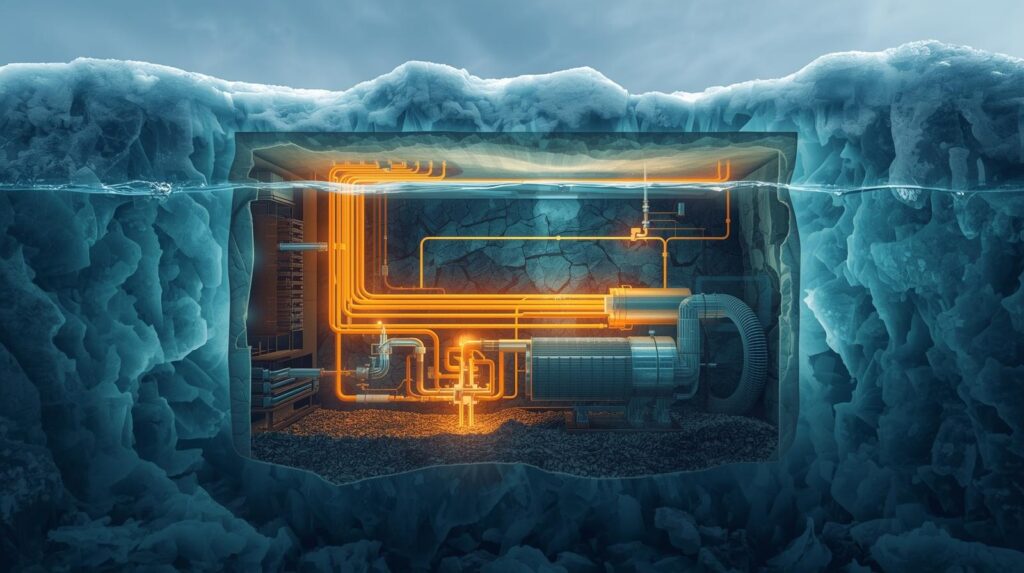
Achieving 70% renewable energy on Alaska’s Railbelt would require $7.7 billion in capital investment but could potentially save three-quarters of a billion dollars in fuel costs annually. The alaska ice renewable energy discovery represents a sound long-term investment despite high initial costs.
Private sector interest in the alaska ice renewable energy discovery continues growing. The fourth annual Alaska Sustainable Energy Conference attracts global energy leaders, fostering collaboration between researchers, policymakers, and investors committed to Arctic renewable energy development.
Community-Centered Energy Solutions
The alaska ice renewable energy discovery prioritizes community needs. NREL’s Alaska Campus works with communities that have lived in this landscape for over 10,000 years, merging traditional knowledge with the latest available technology. This approach ensures renewable energy solutions respect indigenous practices while delivering modern benefits.
Remote villages particularly benefit from the alaska ice renewable energy discovery. When diesel fuel costs exceed $10 per gallon in isolated communities, geothermal systems offer economic relief while improving energy security and reducing environmental impact.
Measuring Success and Future Goals
Alaska produced over 12 times more power from renewable sources in 2023 compared to 2010, enough to power an additional 13,196 households annually. The alaska ice renewable energy discovery accelerates this progress, making Alaska a leader in Arctic renewable energy innovation.
Success metrics for the alaska ice renewable energy discovery include:
- Carbon Emission Reductions: Displacing fossil fuel consumption
- Cost Savings: Reducing energy expenses for communities
- Energy Security: Providing reliable power during extreme weather
- Job Creation: Building local renewable energy expertise
- Technology Transfer: Sharing innovations globally
Conclusion: A Sustainable Arctic Future
The alaska ice renewable energy discovery transforms how we think about renewable energy in extreme environments. By harnessing geothermal resources beneath frozen ground, Alaska demonstrates that sustainable power generation is possible anywhere even at minus 40 degrees.
This innovation offers hope for Arctic communities seeking energy independence while protecting fragile ecosystems. The alaska ice renewable energy discovery proves that environmental necessity drives technological innovation, creating solutions that benefit both people and planet.
As research continues and deployment expands, the alaska ice renewable energy discovery will inspire similar breakthroughs worldwide. For more information about geothermal technology and its applications, visit the U.S. Department of Energy’s comprehensive resources.
Frequently Asked Questions
What makes the Alaska ice renewable energy discovery unique?
The Alaska ice renewable energy discovery utilizes geothermal technology specifically engineered for permafrost conditions, operating successfully at temperatures far below what conventional systems can handle. This breakthrough enables renewable energy deployment in Earth’s most extreme environments.
How does geothermal energy work in frozen Alaska?
Despite surface ice, underground thermal energy remains accessible beneath permafrost layers. Advanced heat pump systems extract this warmth for heating and power generation, demonstrating the practical applications of the Alaska ice renewable energy discovery in Arctic conditions.
What are the economic benefits of Alaska’s renewable energy transition?
Renewable energy reduces dependence on expensive diesel fuel in remote communities, potentially saving Alaska $100 million annually by 2030. The Alaska ice renewable energy discovery contributes to these savings while creating local jobs and improving energy security.
Can other cold regions replicate Alaska’s renewable energy success?
Absolutely. The Alaska ice renewable energy discovery serves as a powerful model for Arctic and sub-Arctic renewable energy development around the world. The technologies and strategies designed for Alaska’s extreme conditions can be adapted for similar climates across Canada, Scandinavia, Russia, Greenland, and other cold regions. This discovery provides a proven blueprint for expanding clean, reliable, and cost-efficient energy in some of the most challenging environments on the planet.
How can communities participate in Alaska’s renewable energy transformation?
Communities can work with organizations like REAP (Renewable Energy Alaska Project) to assess local renewable energy potential, access federal funding opportunities, and implement systems tailored to their specific needs. Will your community be next to embrace the Alaska ice renewable energy discovery?