I still remember the first time a physical therapist handed me a lacrosse ball. “This little thing?” I thought, skeptical about how something so simple could ease the knot in my shoulder that had been bothering me for weeks. Three minutes later, I was a believer. That small, firm sphere became my constant companion tucked in my gym bag, desk drawer, and car. This experience opened my eyes to the remarkable versatility of what many consider just a sports accessory.
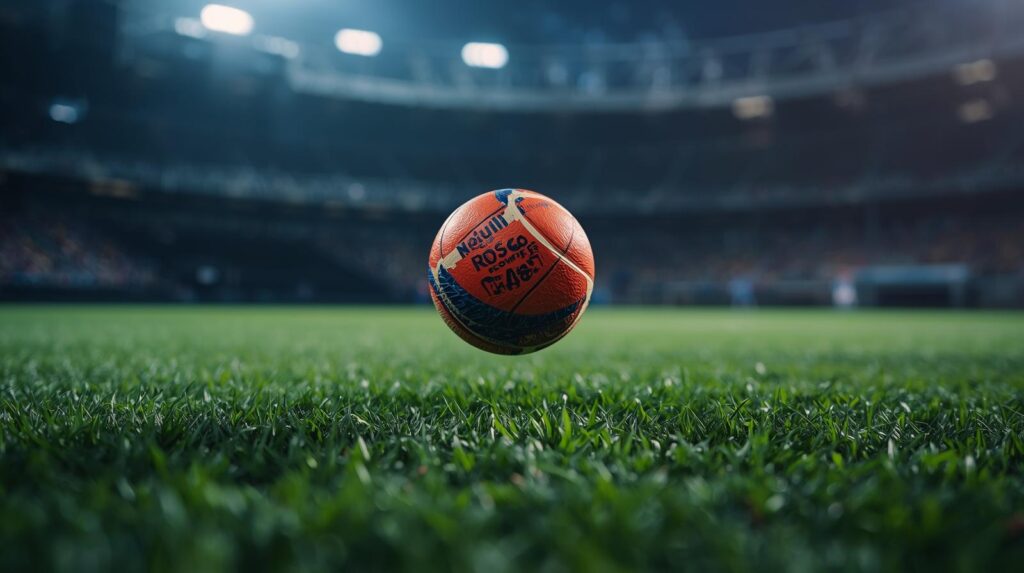
Table of Contents
Understanding the Lacrosse Ball Phenomenon
The lacrosse ball has evolved far beyond its original purpose on the playing field. Today, this compact tool serves dual roles as both essential sports equipment and a therapeutic device embraced by physical therapists, athletes, and wellness enthusiasts worldwide.
What Makes a Lacrosse Ball Special?
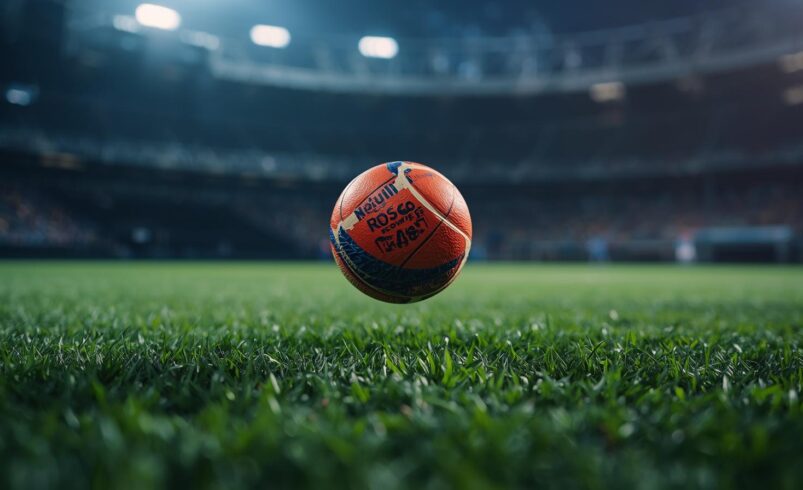
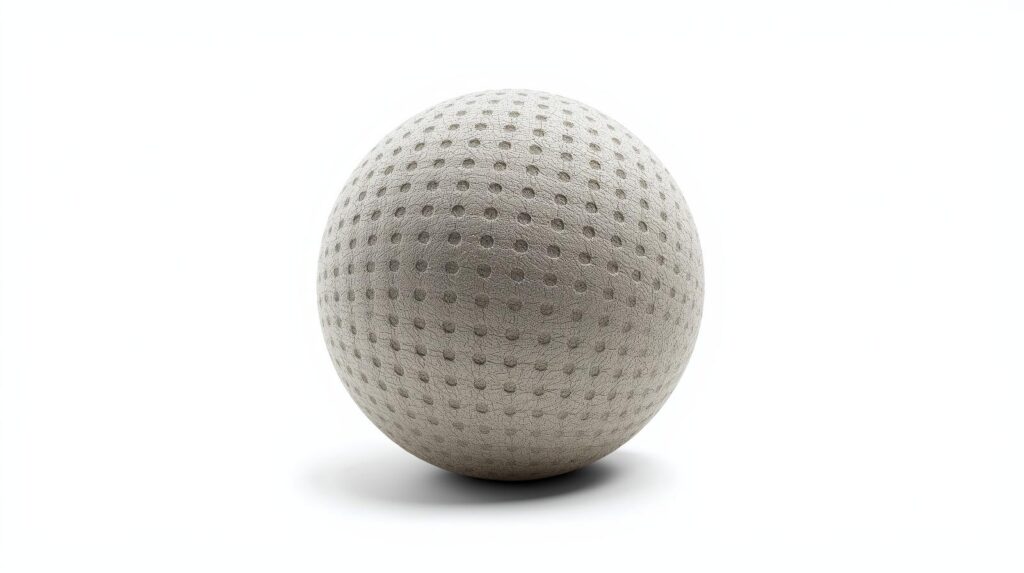
A standard lacrosse ball measures 2.5 inches in diameter and weighs approximately 5.1 ounces. Constructed from solid vulcanized rubber, this firm sphere maintains its shape under pressure a critical feature that distinguishes it from tennis balls or other softer alternatives. The material composition ensures durability while providing the exact firmness needed for both gameplay and therapeutic applications.
According to recent data from Ninty2magazine, the density and texture of a lacrosse ball create optimal conditions for myofascial release, making it significantly more effective than softer massage tools. The ball’s size perfectly fits most body contours, allowing users to target specific muscle groups with precision.
The Booming Lacrosse Ball Market Landscape
The global lacrosse equipment market is experiencing remarkable growth. In 2025, the lacrosse equipment market reached a valuation of USD 330.19 million and is projected to grow at a compound annual growth rate of 5.44% through 2033, ultimately reaching USD 532.02 million. This expansion reflects increasing participation in the sport and growing awareness of the lacrosse ball’s therapeutic benefits.
Market Growth Drivers
Several factors fuel this impressive market trajectory:
Youth and Collegiate Participation: Rising participation rates at youth and collegiate levels, coupled with investments in grassroots development programs, have expanded the player base significantly. Schools across North America increasingly offer lacrosse as an alternative to traditional sports like football and basketball.
Professional League Expansion: Professional leagues including the Premier Lacrosse League and the National Lacrosse League have increased the sport’s visibility, inspiring younger players to purchase equipment similar to their professional idols. This visibility translates directly into equipment sales, with the lacrosse ball being an entry-level necessity for new players.
Wellness Industry Integration: Beyond sports, the wellness and physical therapy sectors have embraced the lacrosse ball as an affordable self-care tool. This crossover appeal has opened entirely new revenue streams for manufacturers.
Regional Market Dynamics
| Region | Market Share (2025) | Key Growth Factors |
|---|---|---|
| North America | 44.02% | Historical roots, professional leagues, high school programs |
| Europe | Growing | Grassroots initiatives, international tournaments |
| Asia Pacific | Emerging (7.29% CAGR) | Olympic inclusion, strategic development programs |
| Latin America | Early Stage | Regional competitions, accessibility initiatives |
North America dominated the market with a 44.02% share in 2025, driven by the sport’s historical presence in the U.S. and Canada, expanding professional leagues, and increasing female participation.
The Therapeutic Revolution: Beyond the Field
My personal journey with the lacrosse ball exemplifies a broader trend. While athletes have long used these balls for practice, the therapeutic community has discovered their extraordinary effectiveness for muscle recovery and pain relief.
How Lacrosse Ball Massage Works
Lacrosse ball massage represents a form of self-myofascial release therapy. Fascia, the connective tissue covering muscles and organs throughout the body, can become tight or restricted due to stress, poor posture, or repetitive movements. When fascia tightens, it pulls the body out of alignment, creating pressure on muscles and joints that manifests as pain.
The firmness of a lacrosse ball makes it ideal for breaking up these fascial adhesions. Unlike softer alternatives, the lacrosse ball maintains its shape under body weight, providing consistent deep-tissue pressure that effectively releases muscle knots and improves blood flow.
Evidence-Based Benefits
Physical therapists and sports medicine professionals increasingly recommend lacrosse balls for several therapeutic applications:
Trigger Point Therapy: The ball’s size and firmness allow precise targeting of trigger points those tender spots in muscle tissue that cause pain in other areas of the body. By applying sustained pressure to these points, users can release muscular tension and reduce referred pain.
Myofascial Release: Regular use helps stretch and loosen fascia, enabling underlying tissue to move more freely. This reduction in fascial restriction decreases pressure on muscles and joints, alleviating pain and improving mobility.
Enhanced Recovery: Post-workout application promotes blood flow and lymphatic drainage to tense muscles, accelerating recovery time and reducing delayed-onset muscle soreness.
Stress Reduction: Beyond physical benefits, the practice of self-massage activates the parasympathetic nervous system, helping reduce stress and promote relaxation.
Practical Applications: Getting Maximum Value
Through my years of using a lacrosse ball, I’ve discovered specific techniques that deliver optimal results. Here’s what works based on both personal experience and expert guidance from physical therapists.
Top Five Therapeutic Techniques
Glute Release: Sitting creates chronic tightness in gluteal muscles, contributing to hip, leg, and back pain. Stand with your back against a wall, positioning the lacrosse ball between your glutes and the wall. Move until you locate a tender spot, then relax into the pressure for 30-60 seconds. This technique has become my daily ritual after long hours at my desk.
Upper Back and Shoulders: Place the ball between your upper back and a wall, positioning it between your spine and shoulder blade. This targets the trapezius muscle that large muscle connecting your upper back, neck, and shoulders. Roll slowly, pausing at tender points. I find this particularly effective after stressful workdays when tension accumulates in my shoulders.
Chest and Pectoral Muscles: Tight chest muscles contribute to poor posture and cause neck and back pain. Stand facing a wall corner, place the ball on your chest muscle near your armpit, and lean forward. The release this provides often surprises first-time users with its immediate impact on posture.
Plantar Fascia: For those suffering from plantar fasciitis, the lacrosse ball offers remarkable relief. Sit comfortably and roll your foot over the ball, applying gradually increasing pressure. Start seated to control the intensity, then progress to standing as tolerance builds.
Hip Rotators: Lie on your back with the ball positioned under your hip area. This targets the deep hip rotators that often become stiff from prolonged sitting. The relief this provides for sciatic discomfort can be genuinely transformative.
The Sports Equipment Perspective
While therapeutic applications have expanded the lacrosse ball’s market, its primary purpose remains sports performance. In lacrosse gameplay, the ball serves as the focal point of all action passed, caught, and shot at speeds exceeding 100 miles per hour in professional play.
Official Specifications and Standards
Official lacrosse balls must meet strict standards established by governing bodies. The ball must be made of solid rubber, measure 7.75 to 8 inches in circumference, and weigh between 5 and 5.25 ounces. These specifications ensure consistent gameplay across all levels of competition.
Color matters too. White balls are standard for most gameplay, while orange balls are used in cold weather or low-light conditions for enhanced visibility. Some youth programs use softer training balls to reduce injury risk during skill development.
Market Segmentation by Application
The market segments include rubber balls for training and live games, valued for their resilience and reliability across different surfaces. Manufacturers have developed specialized variations:
- Hard Lacrosse Balls: Standard for competitive play, offering optimal bounce and durability
- Soft Lacrosse Balls: Designed for youth training, reducing impact force
- Weighted Training Balls: Used for strength development and shot power enhancement
- Therapeutic Massage Balls: Specifically marketed for recovery and wellness applications
Industry Leaders and Innovation
The lacrosse ball market is driven by several well-established manufacturers with strong brand presence. Industry leaders such as Brine, East Coast Dyes, Guardian, Maverik, STX, Swax Lax, and Warrior continue to dominate through consistent innovation and strategic collaborations.
In June 2025, USA Lacrosse and Gait Lacrosse extended their partnership for an additional three years, solidifying Gait’s role as an Official Equipment Supplier through 2027. These types of alliances between major organizations and manufacturers not only enhance product standards but also significantly strengthen brand visibility across the sport.
Material Science Advancements
Modern lacrosse balls benefit from advances in rubber technology. Manufacturers now employ proprietary compounds that enhance durability, maintain consistent performance across temperature ranges, and provide optimal grip without compromising ball flight characteristics. These innovations extend product lifespan while ensuring reliable performance from the first use through hundreds of games or therapy sessions.
Consumer Behavior and Purchasing Patterns
Hypermarkets and supermarkets accounted for 42.14% of lacrosse equipment distribution in 2025, providing easy access to essential equipment for beginner and recreational players. However, specialized sporting goods stores continue to dominate sales of premium equipment, offering knowledgeable staff guidance and opportunities for customers to physically evaluate products before purchase.
Online retailers have captured an increasing market share, particularly for therapeutic massage balls. The convenience of home delivery, coupled with extensive customer reviews and competitive pricing, makes e-commerce platforms increasingly attractive for consumers seeking both sports equipment and wellness tools.
Price Point Analysis
Lacrosse balls occupy an affordable position in the sports equipment market. Individual balls typically retail between $2-$5, making them accessible entry points for new players. Multi-packs offer better value, with sets of three to twelve balls ranging from $10-$30. This affordability contributes significantly to the sport’s accessibility and the ball’s adoption as a therapeutic tool unlike expensive massage equipment or regular professional treatments, anyone can afford this effective self-care option.
Future Outlook and Emerging Trends
The lacrosse ball market stands poised for continued expansion driven by multiple converging trends. The National Lacrosse League confirmed two new expansion teams for the 2025-26 season, increasing total franchises to 17, demonstrating the sport’s growing popularity and the expanding need for equipment.
Sustainability Initiatives
Environmental consciousness increasingly influences consumer purchasing decisions. Several manufacturers now explore sustainable rubber sources and recycling programs for used equipment. This shift toward eco-friendly production methods may become a key differentiator in a competitive market where product performance differences are minimal.
Technology Integration
While a lacrosse ball remains fundamentally simple, technology influences how players and therapeutic users optimize their experience. Mobile applications now guide users through self-massage routines, offering video demonstrations and personalized programs. Some apps track usage patterns and recovery metrics, bringing data-driven insights to this traditional tool.
Global Expansion Opportunities
Asia Pacific regions are witnessing rising participation through development initiatives aimed at boosting awareness and competitive play. The sport’s potential inclusion in future Olympic Games could catalyze exponential growth in markets where lacrosse currently maintains minimal presence. For manufacturers, these emerging markets represent significant expansion opportunities.
Expert Recommendations for Buyers
Based on extensive personal use and consultation with physical therapy professionals, I offer these recommendations for anyone considering a lacrosse ball purchase:
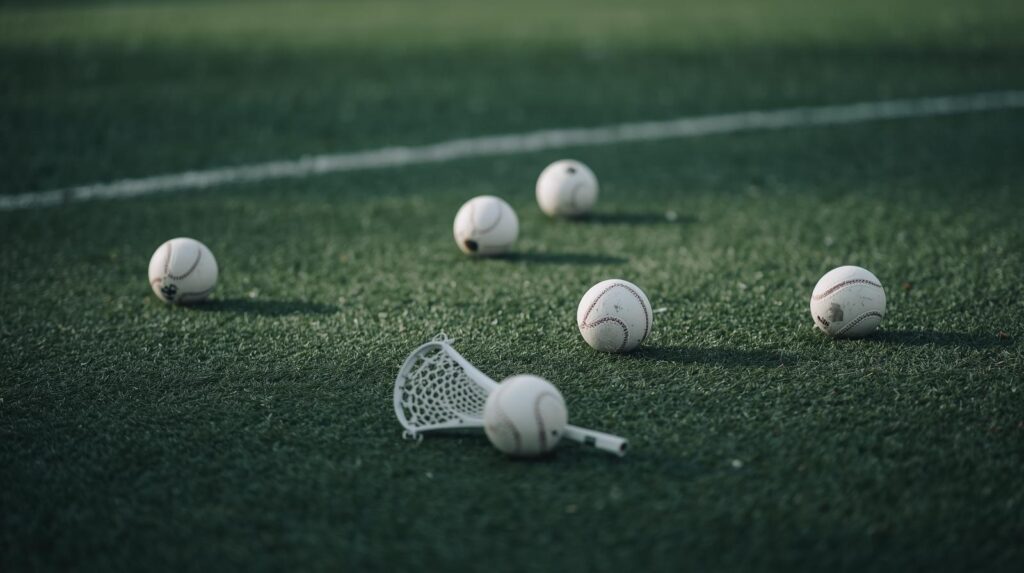
For Athletes: Invest in official-weight balls that match your competition specifications. Purchase multiple balls for practice six to twelve provides sufficient quantity for team drills and individual skill work. Consider colored balls for outdoor training in variable lighting conditions.
For Therapeutic Use: Start with a standard firmness ball rather than softer alternatives. The effectiveness of myofascial release depends on adequate pressure, and softer balls compress too readily under body weight. Consider purchasing two balls to create a “peanut” shape by taping them together this configuration works exceptionally well for spinal areas where a single ball might press uncomfortably on vertebrae.
For Both Applications: Store balls away from direct sunlight and extreme temperatures, which can degrade rubber over time. Clean regularly with mild soap and water. Replace balls showing visible cracks, significant wear, or reduced bounce characteristics.
Frequently Asked Questions
Q: How often should I use a lacrosse ball for therapeutic massage?
A: For general maintenance, 2-3 times weekly provides excellent results. During acute pain episodes or intensive training periods, daily use is safe and effective. Listen to your body some soreness immediately after use is normal, but sharp pain indicates excessive pressure or duration.
Q: Can I use a tennis ball instead of a lacrosse ball?
A: While tennis balls work for gentle massage, their softer construction and air-filled core make them less effective for deep tissue work. Lacrosse balls maintain firmness under pressure, providing superior trigger point release and myofascial therapy. The investment difference is minimal typically $1-2 per ball making the lacrosse ball the better choice for serious therapeutic use.
Q: Are there any safety concerns with using a lacrosse ball for massage?
A: Yes certain precautions are important. Avoid applying a lacrosse ball directly on bones, joints, or any injured or inflamed areas. Do not use it on broken or irritated skin. People with circulatory issues, nerve damage, or those taking blood thinners should consult a healthcare professional before starting lacrosse ball massage. Pregnant women should also seek medical advice, especially when targeting the abdomen or lower back.
Q: What’s the difference between expensive and cheap lacrosse balls?
A: For official gameplay, quality differences matter premium balls offer more consistent bounce, durability, and performance characteristics. For therapeutic use, basic rubber lacrosse balls work perfectly well. Save money on massage balls, but invest in quality if purchasing for competitive sports.
Q: How long does a lacrosse ball typically last?
A: With proper care, a lacrosse ball used for therapeutic purposes can last years. Balls used in gameplay face more wear expect 6-12 months of regular use before performance degrades noticeably. Inspect balls regularly for cracks or significant softening, replacing them when quality diminishes.
The humble lacrosse ball represents remarkable versatility packed into a simple sphere. Whether you’re an athlete perfecting your game, someone seeking affordable therapeutic relief, or a physical therapy professional recommending effective self-care tools, this compact rubber ball delivers outsized value. With the global market projected to reach USD 532.02 million by 2033, the lacrosse ball’s journey from traditional sports equipment to mainstream wellness tool continues its upward trajectory.
My shoulder knot that started this exploration? It disappeared within a week of consistent lacrosse ball use. That $3 investment delivered more relief than months of ignoring the problem. Now I keep multiple balls strategically placed throughout my life one at my desk, one in my gym bag, and one beside my yoga mat. I encourage others to discover this tool’s transformative potential.
Have you experienced the therapeutic benefits of a lacrosse ball, or are you ready to try it after reading this comprehensive guide?